You can sell a house with tenants in New Jersey by either selling to an investor who honors the current lease or to a buyer who intends to personally occupy the home. Because the state's Anti-Eviction Act dictates that leases follow the property, the buyer must legally assume the landlord's responsibilities or provide specific notice if they plan to move in. Successful transactions require the transfer of security deposits and the use of estoppel certificates to confirm lease terms and prevent future disputes.
Selling a rental property in South Jersey often feels like navigating a minefield of regulatory hurdles and emotional friction. For many landlords, the prospect of liquidating an asset while managing an active tenancy is daunting, particularly when faced with New Jersey’s stringent tenant protections. The New Jersey Anti Eviction Act creates a complex framework that governs how and when you can regain possession, making it crucial to understand your rights before listing. This guide provides a practical roadmap for property owners looking to exit the market efficiently. You will learn the specific legal requirements for personal occupancy exceptions, the critical role of estoppel certificates, and the three distinct pathways to a successful closing. Whether you intend to sell to another investor or seek a direct cash sale to streamline the process, mastering these administrative essentials ensures a profitable and compliant transition.
The Reality of Selling Tenant Occupied Property in South Jersey
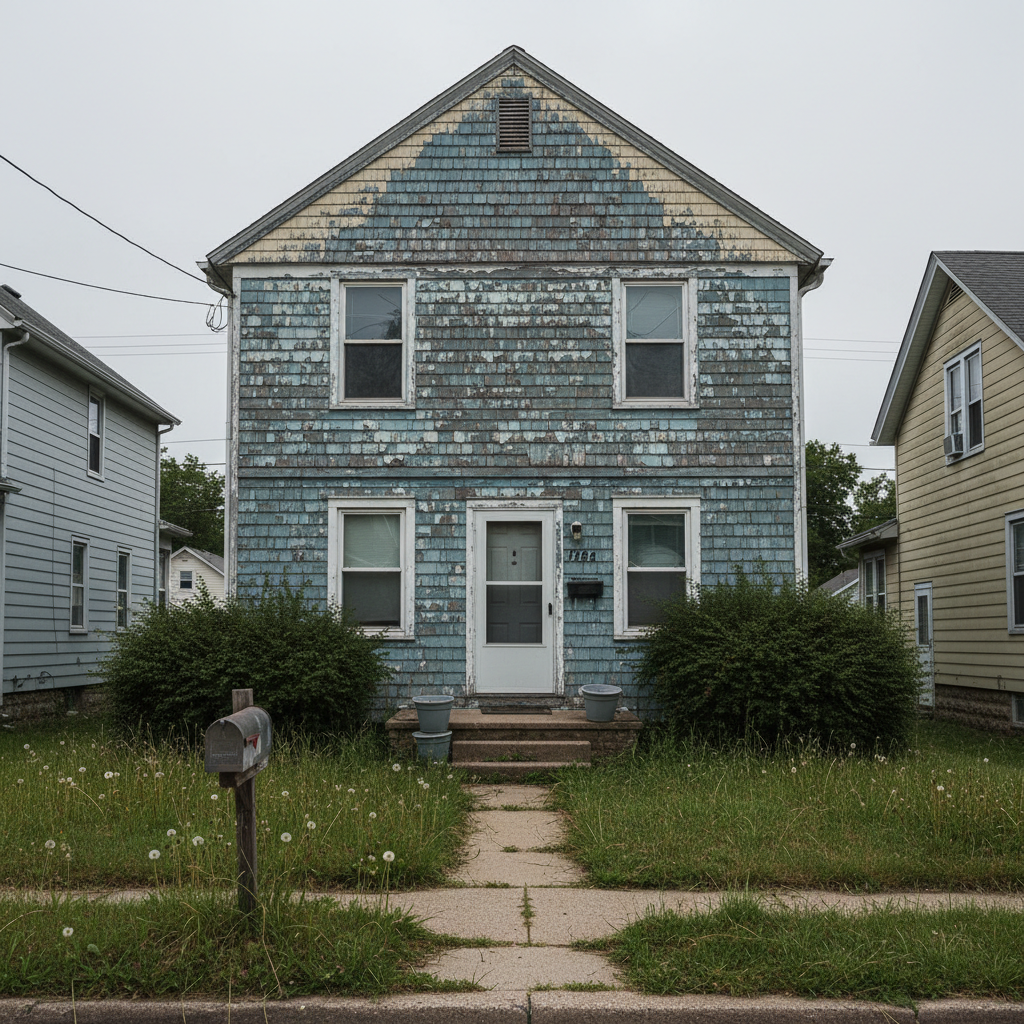
Managing rental property in Camden or Gloucester County often starts as a sound investment but can quickly evolve into a source of chronic stress. Dealing with aging systems in a Burlington County rowhouse or chasing late rent from a tenant in Trenton while living miles away is exhausting for any tired landlord. Many owners eventually reach a point where they decide to sell a house with tenants in New Jersey because the management overhead no longer justifies the financial return.
Selling an occupied home adds layers of complexity that a standard residential sale does not. You must balance your right to sell with the legal protections afforded to the residents currently living there. This often creates a stalemate where a landlord wants to sell a rental property with a tenant lease but fears the legal repercussions of New Jersey’s strict anti-eviction laws or the difficulty of coordinating showings with uncooperative occupants.
SJW Dev & Holdings LLC operates specifically within this local landscape. Based in Collingswood, our team understands the nuances of the regional market, spanning from the suburban streets of Mercer County to the urban blocks of Camden. We help owners interested in selling a house as is for cash by providing a professional exit that allows you to sell your house fast for cash without the headache of property rehabilitation or prolonged tenant disputes.
Does a Lease Survive the Sale of a Home in New Jersey?
The most frequent question South Jersey landlords ask is whether a sale automatically terminates a rental agreement. In New Jersey, the answer is a definitive no. The lease stays with the property, not the owner. When you sell a house with tenants in New Jersey, the new buyer legally steps into your shoes, inheriting every term, condition, and responsibility outlined in the original contract. This continuity remains regardless of whether the property is a single family home in Haddonfield or a multi unit building in Trenton.
This protection is rooted in the New Jersey Anti-Eviction Act (N.J.S.A. 2A:18-61.1), one of the most robust tenant protection statutes in the country. Unlike many other states where a sale of property clause might allow a landlord to terminate a lease with thirty days notice, New Jersey law restricts evictions to specific just cause reasons. The simple act of transferring a deed does not qualify as just cause. This makes the state a unique environment for real estate transactions, as the tenant's right to remain in the property is prioritized over the owner's desire to deliver a vacant unit.
This legal framework creates a significant hurdle for owners who need to sell quickly. Most traditional homebuyers, especially those using FHA or VA financing, require the property to be vacant at closing to satisfy primary residence requirements. Understanding this baseline is critical for those looking to sell a rental property with a tenant lease; it is the reason why selling an occupied rental requires a strategy that accounts for the resident's legal rights. Because the lease survives the sale, you must ensure all documentation is perfectly aligned for the next owner, as any ambiguity in the agreement becomes the buyer's liability the moment closing is finalized.
Understanding the NJ Anti Eviction Act and the Personal Occupancy Exception
While the NJ Anti-Eviction Act offers robust protections, it does provide one specific, narrow gateway for owners who want to sell a house with tenants in New Jersey to an owner-occupant. This exception, found under N.J.S.A. 2A:18-61.1(l)(3), allows a landlord to terminate a month-to-month lease or refuse a renewal if they have a signed contract with a buyer who plans to live in the property personally.
This rule is not a blanket permission for all rental properties. It applies strictly to buildings with three residential units or less. If you are selling a four-unit building in Camden or a large apartment complex in Trenton, this exception does not apply. Furthermore, the buyer must genuinely intend to occupy the specific unit being vacated. The landlord must provide the tenant with a formal two-month Notice to Quit before any eviction proceedings can begin. This timeline often creates friction for buyers who are locked into their own mortgage rate commitments or lease expirations.
The stakes for getting this wrong are exceptionally high. New Jersey law protects tenants from wrongful eviction through severe financial penalties. If a buyer claims they will occupy the property to facilitate the sale but fails to move in within a reasonable time, or if the unit is re-rented to a new tenant, the former resident may sue for treble damages. This means the seller or buyer could be liable for three times the tenant's actual damages, plus the tenant's attorney fees and court costs.
Navigating these statutory requirements is often where traditional sales in Mercer or Gloucester County fall through. If the timing of the two-month notice does not align perfectly with the closing date, the seller remains stuck with the liability. This legal friction is a primary reason why many choose to sell a rental property with a tenant lease directly to a professional buyer. We manage the existing lease terms and assume the landlord responsibilities without requiring you to trigger these high-risk legal exceptions.
Three Routes to Sell a House With Tenants in New Jersey

The legal risks and strict notice requirements of the personal occupancy exception lead most landlords to choose one of three practical paths to divest. Navigating how to sell a house with tenants in New Jersey effectively requires evaluating these distinct routes based on your timeline, risk tolerance, and the cooperativeness of your residents.
Strategy | Timeline | Effort Level | Financial Outcome |
|---|---|---|---|
Wait and See (Vacant Sale) | 4 to 9 Months | High (Repairs/Clean-out) | Highest Market Price |
Traditional MLS Listing | 3 to 6 Months | Moderate (Tenant Coordination) | Lower Market Price |
Cash Exit (Investor Sale) | 1 to 2 Weeks | Low (As-Is, Occupied) | Competitive Cash Offer |
The "Wait and See" approach involves letting the current lease expire or negotiating a voluntary move-out before listing. This path is ideal if you want to perform renovations to attract retail buyers in competitive markets like Haddonfield or Moorestown. However, if a tenant holds over or refuses to leave, you may face a six month eviction delay and significant legal fees, making this the riskiest timeline for a tired landlord.
Choosing a traditional listing while the property is occupied often results in significant friction. Tenants frequently view showings as an intrusion, leading to uncooperative behavior, poorly maintained rooms during tours, or even active discouragement of prospective buyers. Because retail buyers usually seek vacant homes, an occupied listing often sits on the market longer and sells for 5% to 15% less than a vacant comparable.
The most efficient route is the cash exit. When you sell a rental property with a tenant lease to a firm like SJW Dev & Holdings LLC, the showing problem is eliminated. We are professional buyers who specialize in selling a house as is for cash without requiring multiple public walkthroughs or renovations. We inherit the lease exactly as it stands, allowing you to sell your house fast for cash and walk away from the management burden in as little as seven days.
The Administrative Essentials: Estoppel Certificates and Security Deposits

Closing a sale with an active lease requires more than just a deed transfer; it demands meticulous documentation to protect your equity. The most critical tool in this process is the Estoppel Certificate. This document is a signed statement from the tenant that confirms the current status of the rental agreement. It verifies the monthly rent amount, the security deposit total, and the absence of any side deals like verbal promises for free utilities or pet fee waivers. Without a signed Estoppel, a buyer might face a dispute where a tenant claims a lower rent or a higher deposit than you reported. For those looking to sell a rental property with a tenant lease, this certificate acts as a legal shield against post-closing litigation.
Equally vital is the handling of security deposits. Under the New Jersey Rent Security Deposit Act, these funds belong to the tenant and must be held in an interest-bearing account. When you sell a house with tenants in New Jersey, you do not return the deposit to the tenant. Instead, the full deposit plus all accrued interest must be credited to the buyer at the closing table. The buyer then becomes responsible for notifying the tenant of the new bank location within 30 days. Failing to calculate the exact interest owed can lead to legal challenges, so ensure your accounting is precise before you sell your house fast for cash or list it on the open market.
Why South Jersey Landlords Choose a Direct Cash Sale
Moving beyond the administrative paperwork of Estoppel certificates and security deposit interest calculations, many owners find that the path of least resistance is a direct cash transaction. Landlords in South Jersey often reach a breaking point due to localized pressures. In Mercer County, property tax assessments continue to climb, often outpacing rental income growth. Meanwhile, investors in Camden frequently struggle with aging housing stock where deferred maintenance costs eventually outweigh the cash flow. These tired landlords usually prefer selling a house as is for cash rather than financing expensive turnovers or dealing with uncooperative residents.
Choosing to sell a house with tenants in New Jersey directly to an investment firm bypasses the friction of the traditional market. SJW Dev & Holdings LLC does not require the property to be delivered in broom clean condition, nor do we require you to navigate the legal complexities of the Anti-Eviction Act to provide a vacant unit. Because we specialize in how to sell a rental property with a tenant lease, you avoid the risk of a tenant blocking showings. For those facing municipal liens, mortgage arrears, or the simple desire to liquidate quickly, our ability to close in as little as one week allows you to sell your house fast for cash and exit the management cycle immediately.
Common Questions About Selling Occupied Rentals in NJ
Landlords navigating a sale often encounter specific friction points that legal summaries overlook. One primary concern is access for potential buyers. While you have the legal right to show the property, New Jersey law and standard lease agreements require providing reasonable notice, which is traditionally interpreted as 24 hours. If a tenant remains uncooperative, you cannot legally force entry, which frequently stalls traditional listings.
If a tenant stops paying rent during the transaction, your legal standing remains intact. You can still initiate eviction proceedings for non-payment, as this is a distinct cause for removal under the Anti-Eviction Act. However, judicial timelines in Camden or Mercer County can be significant. In these cases, choosing to sell a rental property with a tenant lease to a professional firm is often the most practical way to sell your house fast for cash, as we assume the responsibility of pursuing back rent or completing the eviction process.
For properties involved in the Housing Choice Voucher program, Section 8 status does not complicate the sale. The HAP (Housing Assistance Payment) contract simply transfers to the new owner. The buyer will need to register with the relevant local agency, such as the Camden County Housing Authority, following the closing. Understanding these operational details is essential to successfully sell a house with tenants in New Jersey without triggering avoidable legal disputes. By selling a house as is for cash, you transfer these administrative burdens to experts familiar with the local South Jersey rental landscape.
Navigating the sale of a tenant occupied property in New Jersey requires a firm grasp of local laws and clear communication. Successfully managing this exit strategy ensures you protect your investment while respecting tenant rights. If you want expert help streamlining this transition, you can Sell Rental property through a professional partner who understands the unique challenges landlords face. We provide a straightforward path to closing, allowing you to move on to your next venture without the typical stress of a traditional market listing.