Homeowners can sell a house that needs repairs in New Jersey by either opting for an as-is sale to a cash investor or making selective upgrades to list on the open market. Selling as-is provides the fastest path without renovation costs, whereas fixing major structural issues can significantly increase the final sale price with retail buyers. Regardless of the chosen method, sellers must provide accurate property disclosures to ensure a legally compliant transaction.
Owning a house that requires significant repairs in New Jersey can feel like a heavy weight, especially when you are balancing the costs of renovation against the uncertainty of the retail market. Many homeowners in South Jersey find themselves trapped between the desire to sell quickly and the fear that traditional buyers will be scared off by inspection reports or outdated systems. Navigating this process requires a clear understanding of your financial goals and the local market landscape. This guide examines the three primary paths for selling a distressed property in the Garden State. We will compare the strategy of fixing the property for a retail list, the risks of listing as-is on the MLS, and the efficiency of a direct cash sale to a professional rebuilder. By evaluating repair costs and marketing strategies, you will gain the clarity needed to make an informed, profitable decision.
The Dilemma of the Distressed Property in South Jersey
Owning a property that requires significant rehabilitation in Camden, Gloucester, or Burlington counties often feels like a liability rather than an asset. Homeowners frequently face a mounting list of issues, from aging roofs and outdated electrical panels to the specific structural challenges found in older South Jersey builds. While market data shows that interest in fixer-uppers has increased significantly over the last few years, a distinct gap exists between interest and execution.
In the New Jersey real estate market, retail buyers are often looking for turn-key homes. Even if they are attracted to the character of a neighborhood like Collingswood or Haddonfield, most local families lack the liquid capital or the months of patience required to manage a full-scale renovation. Consequently, if you attempt to sell a house that needs repairs in New Jersey through traditional channels, you may find that the pool of qualified buyers is smaller than expected.
The central challenge is determining the most profitable exit strategy. You must weigh the potential for a higher retail price against the very real costs of contractor labor, permit delays in local municipalities, and the ongoing burden of NJ property taxes. This guide explores whether investing your own capital into a renovation is a sound move, or if you should get a cash offer to eliminate the holding costs and risks associated with a distressed asset.
Option 1: The Fix and List Strategy for Maximum Retail Price
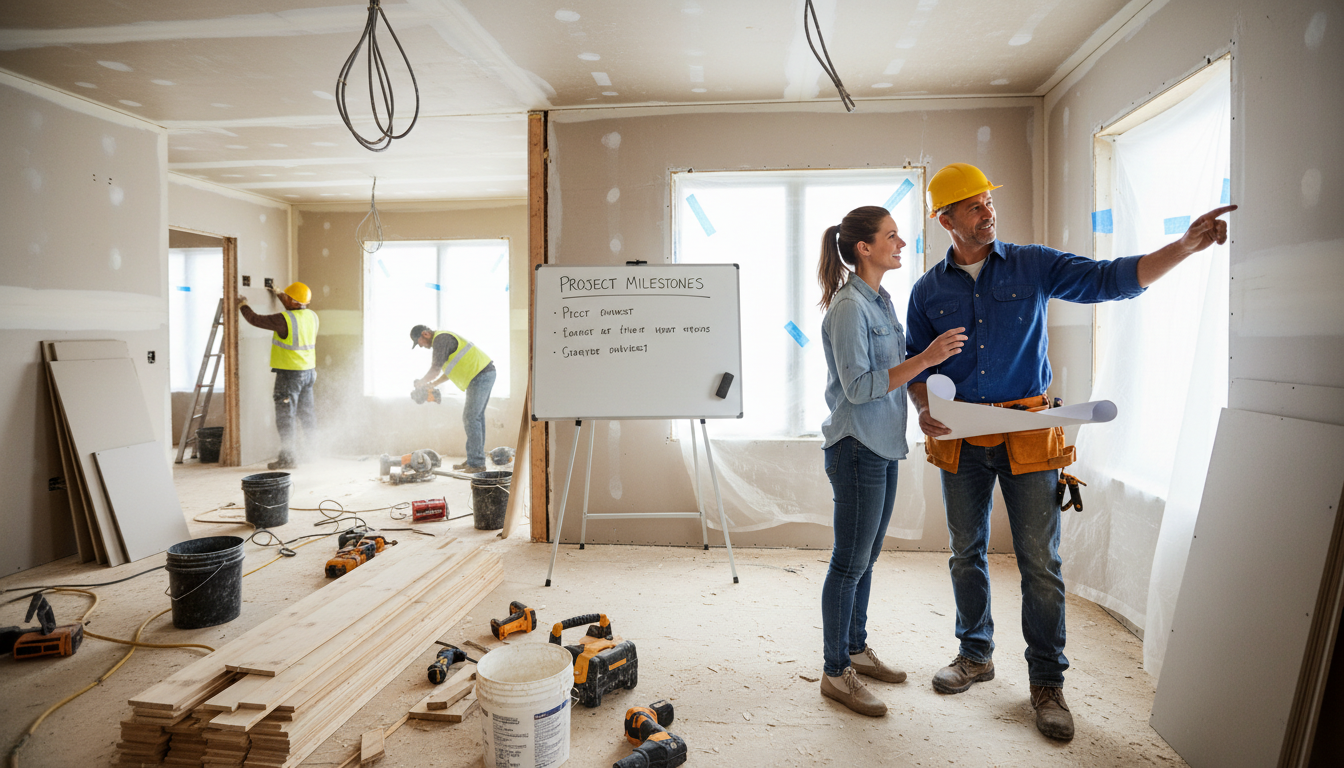
Choosing the fix and list strategy is a commitment to becoming a temporary project manager. In competitive South Jersey markets like Collingswood or Haddonfield, the "retail ready" standard is exceptionally high. Modern buyers are rarely looking for projects; they are paying a premium for designer kitchens, open floor plans, and updated systems. If a property features dated aesthetics or failing components, it will struggle to compete against the professionally renovated homes that set the price ceiling in Camden and Gloucester counties.
Beyond cosmetic appeal, certain systemic issues act as absolute barriers to a traditional retail sale. If you intend to target buyers using conventional, FHA, or VA financing, you must address defects that prevent a lender from issuing a mortgage. These "must-fix" items often cause deals to collapse during the attorney review or inspection periods.
Critical Repair Item | Impact on Traditional Sale | Estimated Cost Range |
|---|---|---|
Knob and Tube Wiring | Makes the home uninsurable; kills most financing. | $8,000 – $15,000+ |
Aging Roof | Appraisers will often flag for immediate replacement. | $7,000 – $15,000 |
Electrical Panel | Safety hazard; high failure rate in home inspections. | $2,500 – $5,000 |
Structural Issues | Requires engineering certifications and major piering. | $5,000 – $30,000 |
While this path potentially yields the highest gross sale price, it demands significant liquid capital and a high tolerance for risk. You are not just paying for materials; you are navigating the high labor rates of New Jersey contractors and the often lengthy permit approval timelines in local municipalities. This process frequently adds four to six months to your timeline. Before you decide to sell a house that needs repairs in New Jersey via the retail route, you must calculate if the projected increase in sale price actually covers your renovation costs, holding costs, and the mental tax of managing a construction site. If the numbers do not provide a clear profit margin, it may be more prudent to get a cash offer and exit the property immediately.
Option 2: Listing As-Is on the MLS: The New Jersey Inspection Trap
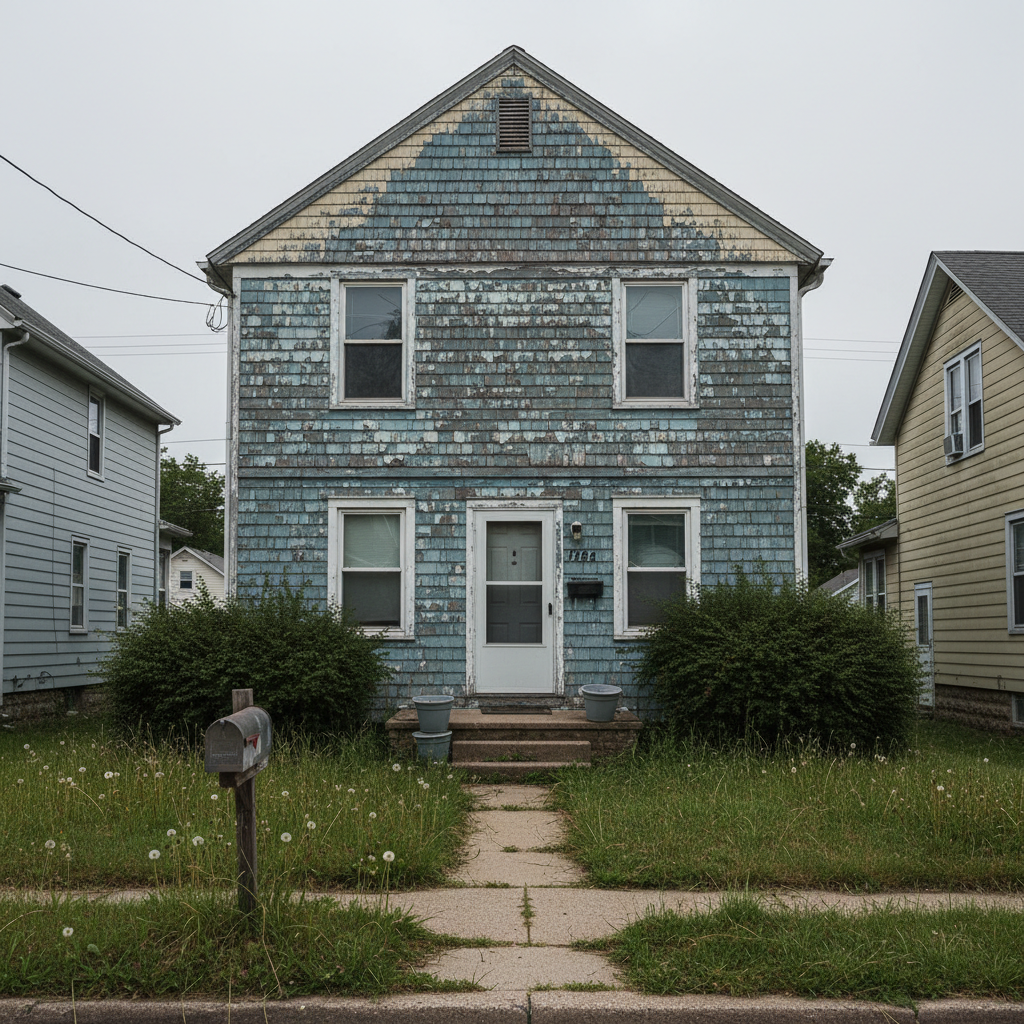
Listing a property "As-Is" on the Multiple Listing Service (MLS) is often viewed as a shortcut to avoid the headaches of renovation. However, in the New Jersey real estate market, this approach frequently leads to what professionals call the "Inspection Trap." A common misconception among homeowners in Camden and Mercer counties is that labeling a listing as-is prevents a buyer from requesting repairs or price concessions.
Under the standard New Jersey residential real estate contract, an as-is clause generally implies the seller will not make cosmetic improvements. It does not, however, strip the buyer of their right to conduct due diligence regarding major environmental, structural, or safety defects. If a home inspector discovers mold, a cracked heat exchanger, or structural instability, the buyer still maintains the leverage to demand remediation or walk away with their earnest money deposit intact. In New Jersey, items like underground storage tanks or active termite infestations are almost never overlooked by buyers, regardless of the listing status.
"As-Is" Perception | New Jersey Market Reality |
|---|---|
Seller does zero repairs. | Buyer can still cancel for major defects. |
No price negotiations after offer. | Significant credits often requested post-inspection. |
Fast track to closing. | Deal often stalls during the 10 to 14 day inspection window. |
Total liability protection. | Does not override mandatory NJ seller disclosure laws. |
When a deal collapses because a seller refuses to address these high-cost issues, the property returns to the market with a distinct stigma. Future buyers and their agents will see the "Back on Market" status and immediately suspect hidden catastrophes; this often results in even lower subsequent offers and more aggressive inspection demands.
This risk is particularly high for "Tired Landlords" who have neglected maintenance on rental units for years. Such properties frequently fail to meet the strict habitability standards required for FHA or VA financing. If the electrical system is outdated or the roof has reached the end of its life, a retail buyer's lender will simply refuse to fund the loan. For those who need to bypass the traditional inspection process, understanding these legal nuances is critical. While selling a home as-is on the MLS seems simple, it often invites the very scrutiny sellers are trying to avoid when they decide to sell a house that needs repairs in New Jersey.
Option 3: The Direct Cash Sale to a Professional Rebuilder

To avoid the pitfalls of the traditional market, many homeowners choose a direct cash sale to a local professional rebuilder. Unlike national iBuyers that rely on distant algorithms or retail buyers who require bank approvals, SJW Dev & Holdings LLC operates as a local specialist within Camden, Mercer, Gloucester, and Burlington counties. This regional focus allows for a deeper understanding of local neighborhood values in places like Collingswood and Haddonfield. Our approach is fundamentally different from a retail listing because we provide a True As-Is purchase. This means we bypass the traditional inspection process entirely; there are no repair credits to negotiate, no appraisal contingencies to wait for, and no demands for mold remediation or structural upgrades.
The primary financial advantage of this path is the elimination of mounting holding costs. In New Jersey, where property taxes are among the highest in the nation, every month a distressed house sits on the market costs the owner significant sums in taxes, insurance premiums, and utility payments. By facilitating a closing in as little as one week, we stop the financial bleed immediately. This speed is particularly valuable for inherited properties or tired landlords who need to sell a house that needs repairs in New Jersey without sinking more liquid capital into a non-performing asset.
Feature | Retail/MLS Sale | Direct Sale (SJW Dev) |
|---|---|---|
Inspection Period | 10 to 14 days; often leads to credits. | Waived entirely; zero repair requests. |
Financing Contingency | 30 to 45 days for bank approval. | None; cash transaction. |
Closing Timeline | 60+ days on average. | As little as 7 days. |
Cleaning/Prep | Required for photos and showings. | None; leave unwanted items behind. |
Choosing a direct sale shifts the entire burden of renovation from the homeowner to the rebuilder. When you get a cash offer, you are trading the uncertain potential of a retail price for the certainty of a guaranteed exit. This removes the emotional weight of managing contractors or worrying about a deal falling through during the attorney review period. It allows you to selling a home as-is while walking away from the property with your equity intact and your stress removed.
Estimating Your Repair Costs in New Jersey: A Reality Check
Before deciding to take on a project yourself, you must perform a cold calculation of the Return on Investment (ROI). Estimating the cost to sell a house that needs repairs in New Jersey requires more than a casual glance at national online averages. New Jersey maintains some of the highest contractor labor rates in the nation; furthermore, the localized nature of building departments in municipalities like Collingswood or Cherry Hill means permit approvals can easily add weeks or months to your project timeline.
Common major repairs in the South Jersey area carry significant price tags that often surprise homeowners who haven't solicited a quote recently:
Repair Category | Estimated NJ Cost Range | Typical Impact |
|
|---|---|---|---|
Roof Replacement | $8,000 – $15,000 | Requires municipal permit and inspection. | |
HVAC System | $6,000 – $10,000 | Essential for FHA/VA financing eligibility. | |
Mold Remediation | $2,000 – $5,000 | Requires professional certification for resale. | |
Electrical Overhaul | $8,000 – $15,000+ | Vital for removing knob and tube hazards. |
The critical question remains: if you invest $40,000 into these systems, will your sale price actually increase by $50,000, or will you merely break even after paying six months of high NJ property taxes and insurance premiums? In many cases, homeowners trade their time and liquid savings for a marginal gain that the market may not support once agent commissions are factored in. If your goal is to exit the property without the risk of a project running over budget, you can get a cash offer today. By choosing to selling a home as-is, you avoid the high-interest carrying costs that erode your equity while the house sits under construction.
How to Market a House Being Sold As-Is for Cash
Marketing a property that requires a full rehabilitation involves a total shift in strategy. Traditional real estate marketing targets emotional buyers looking for a home to raise a family, but these buyers typically flee at the first sign of a major defect. To successfully sell a house that needs repairs in New Jersey, you must target professional investors and rebuilders who view the property through the lens of After Repair Value (ARV). These buyers do not look at current flaws; they look at the spread between the purchase price, renovation costs, and the ultimate resale value in high-demand areas like Camden or Burlington counties.
Transparency is your most effective marketing tool when dealing with professional buyers. Disclosing every known issue, including structural defects, tax liens, or the complexities of an inherited estate, acts as a filter. While retail buyers are scared off by these details, professional firms like SJW Dev & Holdings LLC appreciate the clarity because it allows for a faster, more accurate valuation. When you get a cash offer from a local expert, you bypass the traditional inspection process because the professional buyer has already accounted for the work needed. By choosing to selling a home as-is to a dedicated rebuilder, you eliminate the need for expensive staging or misleading photography, focusing instead on a clean, certain transaction.
Deciding how to manage a property that needs significant repairs requires a balance between your timeline and your budget. While traditional listings work for some, many New Jersey homeowners find that avoiding the stress of renovations is a better path forward. If you want expert help navigating this process, SJW Dev & Holdings LLC can provide a straightforward solution. You can choose to Sell As Is and skip the costly repairs entirely; this approach ensures a smoother transition for those who value convenience and speed.