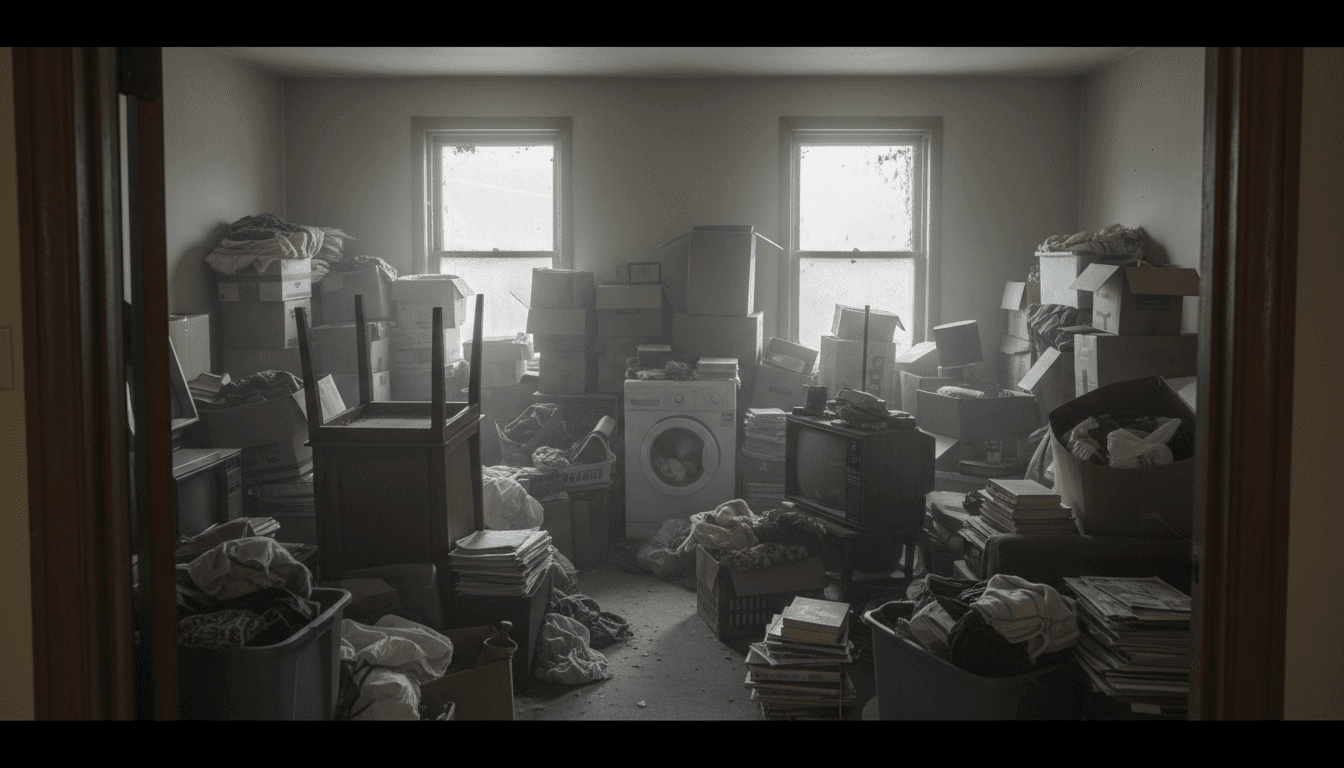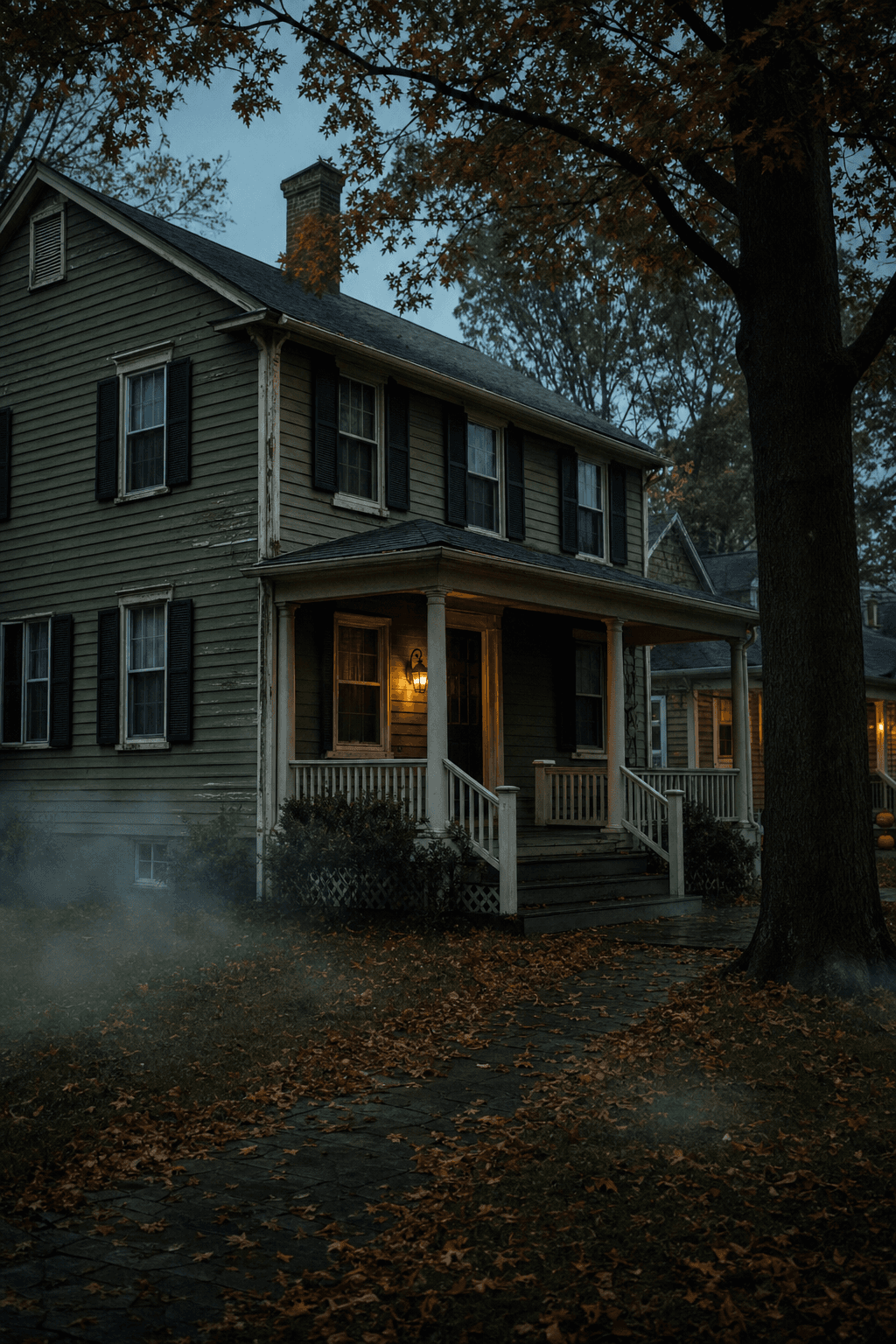
A property often sits on the market because it is overpriced compared to recent sales or requires significant repairs that buyers are unwilling to manage at current interest rates. If your house won't sell New Jersey homeowners can address these issues by lowering the price to align with local comps, enhancing the home's condition; or choosing a cash sale for a faster closing.
Watching your property sit on the New Jersey market while neighboring listings sell can be both exhausting and expensive. In a state where property taxes and maintenance costs are notoriously high, every month your home remains unsold represents a significant financial drain. If your listing has gone stale, the issue typically stems from a disconnect between your asking price, the property’s condition, and current buyer expectations. Understanding these variables is essential to regaining control over your timeline and equity. This article breaks down the primary reasons New Jersey homes fail to attract offers; specifically the pricing trap and common financing gaps. We will also outline three practical strategies to finally close the deal, including retail adjustments, pivoting to a rental model, or choosing a direct cash sale for an immediate exit.
Understanding Why Your House is Sitting on the New Jersey Market
The New Jersey real estate market has undergone a fundamental shift that many sellers are struggling to navigate. In 2024, the statewide average time to sell was a brisk 38 days, but as we move through 2026, that figure has climbed to roughly 55 days. In specific pockets of South Jersey, including Mercer and Burlington counties, average Days on Market (DOM) can reach as high as 73 days. If your house won't sell New Jersey market dynamics suggest that once a listing hits the 90-day mark in Camden or Gloucester County, it is viewed by buyers and agents as a stale asset.
This slowdown is largely driven by the current 2026 climate of interest rates stabilizing near 6.4 percent. Higher borrowing costs have stripped away the massive purchasing power buyers enjoyed just a few years ago. Generic advice from the 2022 era, which suggested that any home would sell regardless of condition, is no longer applicable. Today, buyers are risk averse; they are wary of high monthly payments paired with the high property taxes common in our region.
When a property sits, the holding costs become a significant liability. For those managing inherited properties or assets from tired landlords, every month of inactivity means more utility bills, insurance premiums, and tax payments. If you are struggling to attract interest, you must determine if the issue lies in your pricing strategy or the property's physical state before you can get a fair cash offer or attempt a retail correction. Understanding this market reality is essential for moving toward a successful exit.
The Number One Reason a House Does Not Sell: The Pricing Trap
The most common reason a house won't sell New Jersey is that the seller is anchored to peak pricing metrics from 2022. During that period, record low interest rates fueled bidding wars that drove prices beyond sustainable levels. Today, with interest rates hovering around 6.4 percent, the math has fundamentally changed for the average South Jersey buyer. A family looking in Mercer or Camden County now has roughly 30 percent less purchasing power than they did four years ago, even if their income remained steady.
It is vital to distinguish between your asking price and the true market value. The asking price is merely a marketing statement; the market value is the precise point where a qualified buyer is willing to sign a contract. If your listing is based on stale 2022 comparables, you are essentially asking today's buyers to pay yesterday's prices with today's financing costs. Most buyers simply cannot make those numbers work.
You can diagnose a pricing trap by looking at two specific milestones:
If you have not had a single showing in two weeks, the market has rejected your price entirely.
If you have had showings but no offers within 30 days, buyers like the house but do not see the value at your current number.
Sellers who find themselves in this position often face a difficult choice: wait for a market that may not return for years or sell your house fast for cash to move on. Persisting with an inflated price only increases your monthly holding costs, including those notorious New Jersey property taxes, which further erode your eventual net profit. If you need a more immediate exit without the headache of constant price drops, you might consider selling a house as-is to an investor who understands the current landscape.
Condition Issues and the Financing Gap in South Jersey
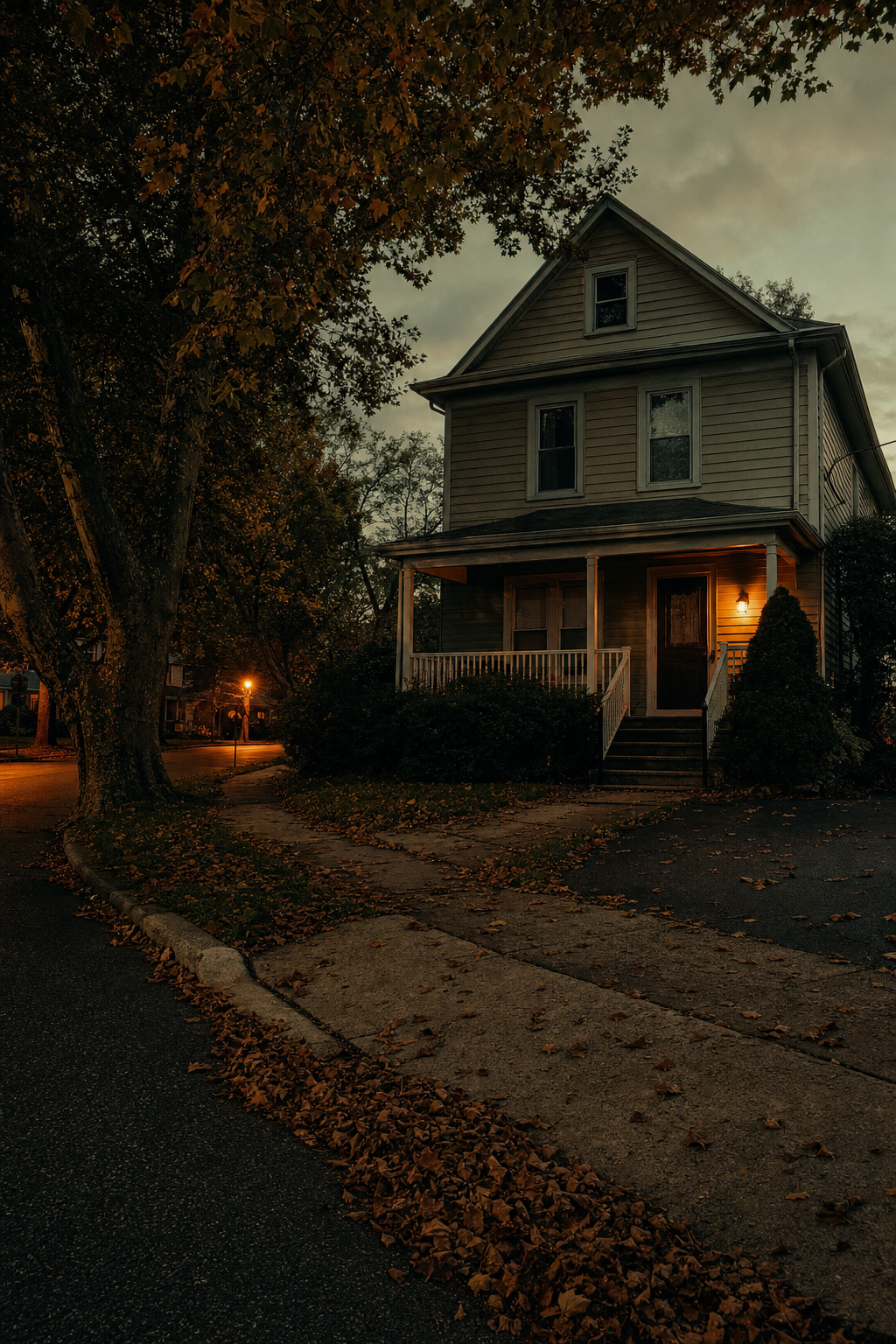
Even if your pricing is competitive, the physical state of your property can be a primary reason your house won't sell New Jersey buyers are increasingly risk-averse in the current climate. In Camden, Mercer, and Burlington counties, the era of the fixer-upper enthusiast has largely passed for retail buyers. With interest rates hovering near 6.4 percent, most families are stretching their budgets just to cover the monthly mortgage and high local property taxes. They simply do not have the liquid capital remaining to tackle a major renovation immediately after closing.
This creates a massive financing gap. If your home has significant deferred maintenance, it may not qualify for traditional FHA or VA financing. These government-backed loans require the property to meet specific Minimum Property Standards regarding safety and habitability. Common deal-killers in older South Jersey markets like Collingswood or Oaklyn include:
Common Issue | Impact on Financing |
|---|---|
Aging Roof | Lenders often require at least 3 to 5 years of remaining life to approve the loan. |
Outdated Electrical | Knob-and-tube or Federal Pacific panels often fail FHA safety inspections. |
Structural Issues | Foundation cracks in older basements can trigger mandatory, expensive repairs. |
Peeling Paint | Lead-based paint concerns in pre-1978 homes can stop a VA or FHA deal in its tracks. |
When a property fails these inspections, your buyer pool shrinks by approximately 80 percent. You are no longer selling to the general public; you are limited to cash buyers or those using high-interest renovation loans. If you find yourself in this position, you must decide whether to fund these repairs out-of-pocket to attract a retail buyer or consider selling a house as-is to avoid the inspection headache. Choosing to get a fair cash offer allows you to bypass the stringent requirements of traditional lenders entirely.
Path One: The Retail Market Adjustment
Correcting a stale listing on the retail market requires a calculated, aggressive pivot. If your house won't sell New Jersey agents often recommend the 3-3-3 rule. This means if you have gone three weeks without a serious lead, you implement a three percent price reduction, and you repeat this up to three times until you hit the market's sweet spot. This strategy forces the listing back into the view of buyers who have filtered their search parameters by lower price brackets and signals that you are a motivated seller.
Professional presentation is equally vital in this path. To compete with renovated homes in Gloucester or Camden County, you must invest in architectural photography and professional staging. Buyers in 2026 lack the imagination to look past empty rooms or cluttered spaces, and they will simply scroll past listings that do not look like a magazine spread.
This retail path demands significant financial stamina. You must remain current on New Jersey's notoriously high property taxes, insurance premiums, and utility bills while the property sits empty. In municipalities like Oaklyn or Collingswood, monthly holding costs can easily erode your equity by thousands of dollars over several months. While some sellers have the liquid reserves to wait, those who cannot afford ongoing carry costs may find that selling a house as-is provides a more certain exit. If you pursue a retail adjustment, be prepared for the possibility that you may eventually need to sell your house fast for cash if the market continues to shift before you find a buyer.
Path Two: Pivoting to a Rental Strategy
Converting your property into a rental is a common backup plan when a house won't sell New Jersey listings often linger because of pricing or condition, and the idea of steady monthly income can feel like a reprieve. However, South Jersey owners must approach this shift with significant caution. New Jersey has some of the most complex landlord-tenant laws in the country, including strict regulations under the Anti-Eviction Act. This means that once a tenant is in place, regaining possession of the property for a future sale or personal use can be a lengthy, expensive legal process that often requires specific grounds for removal.
Beyond the legal landscape, the financial reality often catches accidental landlords off guard. If your home has the aging mechanicals or structural issues common in Oaklyn or Collingswood, a tenant will likely accelerate the need for repairs through daily wear and tear. Between the high local property taxes and the cost of emergency maintenance, many owners find themselves in a break-even scenario that offers no real profit while their equity remains locked away. This is the primary path toward becoming a tired landlord, burdened by a liability they no longer want to manage. If you are not prepared for 2 a.m. plumbing calls or the liability of state-mandated inspections, you might find that selling a house as-is or deciding to get a fair cash offer is a more sustainable way to protect your financial health.
Path Three: The Direct Cash Sale for a Fast Exit

If you realize that managing a rental is too burdensome and the retail market remains unresponsive, the third path provides a clean break from the property. Selling directly to a professional investment firm like SJW Dev & Holdings LLC eliminates the variables that cause most traditional deals to collapse. When a house won't sell New Jersey market conditions often dictate that the property is either too distressed for a bank to finance or simply poorly positioned for current interest rates. A direct cash sale bypasses these roadblocks by removing the mortgage lender from the equation entirely.
This approach is built on speed and certainty. While a standard listing in Burlington or Gloucester County may currently take 73 days to find a buyer, a professional firm can often close in as little as one week. This timeline is crucial for sellers facing tax liens, managing inherited properties from out of state, or dealing with homes that have structural issues. Because the purchase is made as-is, you do not have to worry about cleaning out a lifetime of belongings or fixing a failing roof to meet FHA safety standards.
Feature | Retail Market Listing | Direct Cash Sale |
|---|---|---|
Average Time to Close | 60 to 90+ days | 7 to 14 days |
Repairs Needed | Often required for financing | None; purchased as-is |
Inspection Period | High risk of credit requests | Waived or for info only |
Commissions & Fees | 6 percent plus closing costs | Zero commissions |
By choosing to selling a house as-is, you stop the hemorrhage of property taxes and insurance premiums that eat into your equity every month the home remains vacant. You avoid the stress of repetitive showings and the risk of buyers backing out because their 6.4 percent financing fell through during the underwriting process. For those ready to move forward without the complexity of a traditional sale, you can get a fair cash offer to evaluate your options. Deciding to sell your house fast for cash allows you to walk away from a stagnant listing with your proceeds in hand and your obligations settled.
Selling a home in New Jersey involves navigating complex market dynamics and making tough decisions about repairs or pricing. Whether you choose to list traditionally, make improvements, or seek a direct alternative, understanding your options is the first step toward a successful closing. If you find these choices overwhelming and want expert help to streamline the process, SJW Dev & Holdings LLC is here to guide you. You can choose to Sell Fast through our simplified program; this allows you to move forward without the typical stress of a local real estate transaction.