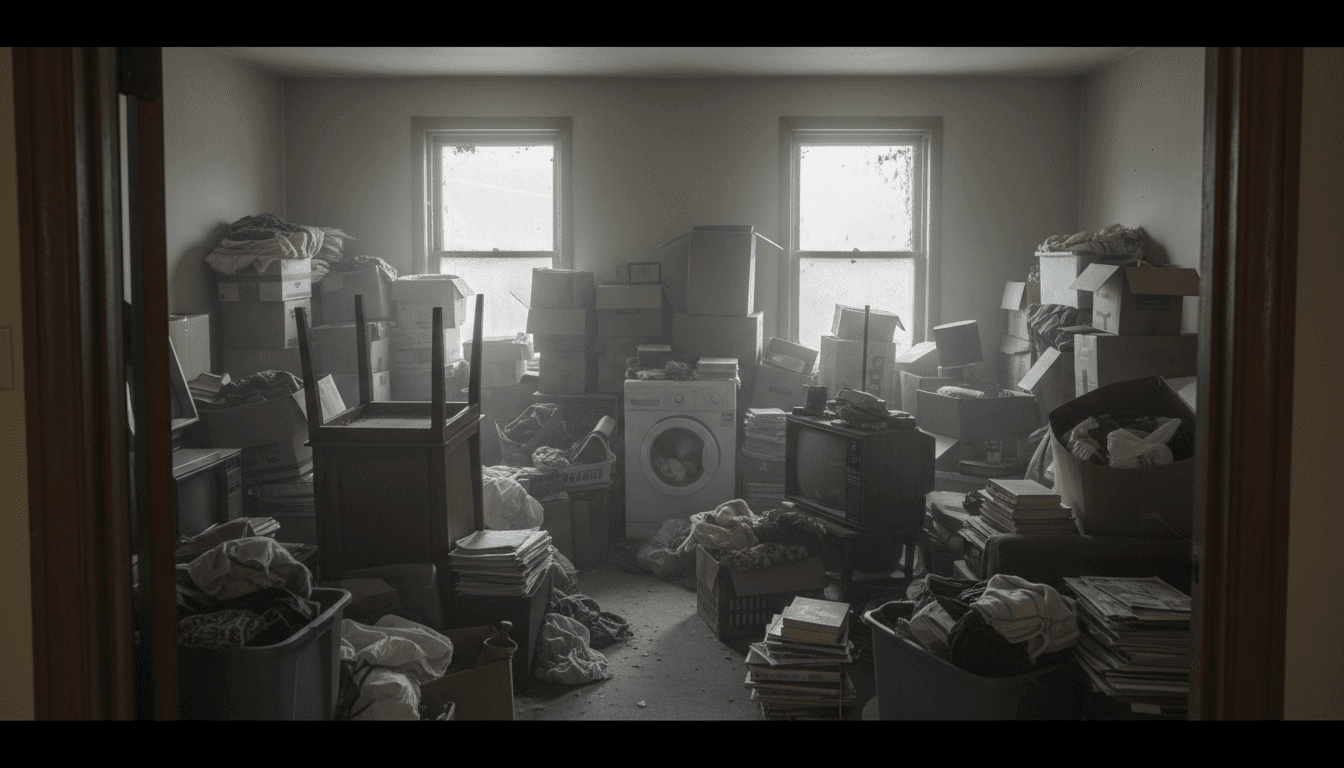
Sellers should avoid major kitchen and bathroom renovations, minor cosmetic flaws, and outdated aesthetic fixtures when deciding what not to fix before selling a house New Jersey. These expensive upgrades rarely offer a complete return on investment; instead, focusing on essential safety issues and structural repairs is more cost effective because many buyers prefer to customize the home themselves.
Preparing a home for the New Jersey market often feels like a race against a mounting pile of contractor estimates. Many sellers believe that every cracked tile or aging appliance must be replaced to attract a buyer; however, this approach frequently leads to over improvement where the cost of repairs exceeds the actual value added to the final sale price. At SJW Dev & Holdings LLC, we understand that smart selling is about protecting your equity rather than spending it on renovations that new owners will likely replace anyway. This guide examines the high cost overhauls and cosmetic fixations that provide the lowest return on investment in the Garden State. You will learn which major systems are worth skipping, how to navigate local disclosure laws, and why selling your property in its current condition is often the most financially sound decision for a quick and profitable exit.
The Real Cost of Pre-Sale Repairs in the New Jersey Market
In the current South Jersey real estate climate, specifically across Camden and Burlington counties, many sellers feel pressured to renovate before listing. However, determining what not to fix before selling a house New Jersey requires a cold look at the numbers. Homeowners often fall into the sunk cost fallacy, believing a $20,000 kitchen upgrade will yield an immediate $20,000 price bump. In reality, once you factor in the 6 percent agent commission on that higher price, the cost of financing the repairs, and the additional months of property taxes and utilities paid while contractors finish the work, you have likely lost money.
You must differentiate between repairs necessary for safety and those that are purely optional for aesthetics. Structural stability, functional HVAC systems, and dry basements are vital for traditional buyers relying on bank financing. However, expensive aesthetic choices rarely provide a 1:1 return on investment. If the goal is to maximize your net walk-away figure rather than just the top-line sale price, it is often more efficient to sell your house as-is. By securing a cash offer for your NJ home, you bypass the contractor delays and holding costs that erode equity in a fluctuating market.
Avoid Major Kitchen and Bathroom Overhauls

Full kitchen and bathroom remodels represent the most significant financial traps for South Jersey homeowners. While these rooms are often the primary focus of buyers, they are also where you are most likely to lose your investment. A professional rule of thumb to keep in mind is the 30 percent rule; once you open up walls in an older home in Oaklyn or Collingswood, unexpected plumbing or electrical issues typically drive costs at least 30 percent over the initial contractor estimate. These overruns instantly evaporate any potential profit you hoped to gain from the upgrade.
Beyond the budget, New Jersey buyers possess highly diverse tastes. The high end granite or minimalist cabinetry you choose might clash entirely with a buyer’s vision for the space. By installing new fixtures, you risk the buyer seeing them as a wasted expense they will eventually need to demolish. When considering what not to fix before selling a house New Jersey, prioritize functionality over fashion. Ensure the faucets do not leak and the outlets are grounded, but avoid replacing the cabinets or retiling the shower just for the sake of appearances.
If the kitchen is currently non-functional or severely outdated, a cash offer for your NJ home is frequently the most logical path. Professional investors at SJW Dev & Holdings LLC look for these specific projects and have the infrastructure to manage the 30 percent cost overruns that would otherwise burden a private seller. Choosing to sell your house as-is allows you to walk away with your equity intact, rather than gambling it on a renovation that may not yield a return.
Skip Cosmetic Fixes and Personal Taste Upgrades
Beyond major renovations, you should resist the urge to polish every surface. When considering what not to fix before selling a house New Jersey residents should specifically ignore cosmetic items like expensive wallpaper, high-end light fixtures, and brand-new carpeting. These represent personal taste rather than universal value. A buyer in Burlington or Mercer County will likely have their own vision for the space; your chosen neutral carpet might be the first thing they rip out to reveal the original hardwoods underneath.
Minor wear and tear, such as small scuffs on baseboards or outdated light switches, is expected in the older housing stock found in Oaklyn and Collingswood. Instead of spending thousands on new flooring, professional staging often does more to help a buyer visualize the potential of a room. A common concern for sellers is whether they need to fix every single imperfection before a walkthrough. The answer is a firm no. If the bones of the house are solid, aesthetic flaws rarely kill a deal.
If the list of small repairs feels overwhelming, choosing a route with no inspection required allows you to bypass the nitpicking entirely. Focus your energy on decluttering rather than trying to achieve a showroom finish that a new owner will simply change anyway. High-impact visuals come from clean, open spaces, not from expensive fixtures that may not align with a buyer's specific style preferences.
Major Systems: Roofs, HVAC, and Electrical Red Flags
Transitioning from cosmetic updates to structural integrity brings us to the most expensive question: "Do I need to replace my roof before selling my house?" In the South Jersey market, this is a nuanced decision. A failing roof, an aged furnace, or outdated electrical panels are major inspection red flags that typically prevent traditional buyers from securing mortgage financing. If you list on the open market in Burlington or Camden County, a buyer's lender will likely mandate these repairs be completed before they release funds at closing.
However, when analyzing what not to fix before selling a house New Jersey residents should consider the lack of return on investment for these high-ticket items. A new roof or HVAC system rarely offers a dollar-for-dollar increase in your sale price; it often simply allows the transaction to proceed. If you lack the liquid cash to cover a $15,000 roof or an $8,000 furnace replacement, taking on debt to finish these projects is a high-risk gamble. In a fast-moving market, these capital-intensive repairs rarely pay for themselves once you factor in the time lost.
SJW Dev & Holdings LLC specifically looks for properties with these mechanical and structural issues. While these problems stall traditional sales, we view them as standard components of our rehabilitation process. If your home has significant electrical issues or a mechanical system at the end of its life, seeking a cash offer for your NJ home is a strategic move. This allows you to transfer the burden of these expensive, labor-intensive projects to a professional firm with established contractor relationships. By choosing a path where there is no inspection required, you avoid the stress of managing a major construction project and the financial strain of fixing systems you will never use.
Understanding New Jersey Disclosure Laws and As-Is Realities
Navigating the legal landscape in South Jersey is critical when deciding what not to fix before selling a house New Jersey. The term "as-is" is frequently misunderstood by sellers in Camden and Burlington counties. In New Jersey, an as-is clause in a contract protects the seller from being forced to make repairs, but it does not provide a shield against the duty to disclose. Under the New Jersey Consumer Fraud Act, you are legally obligated to reveal all known material defects that are not readily observable to the buyer. This includes hidden structural issues, past flooding, or environmental hazards like underground oil tanks.
Choosing to perform a mediocre or temporary fix on a major issue can actually increase your legal exposure. If a seller attempts a cosmetic patch-up on a cracked foundation or a leaking pipe without fully remediating the underlying cause, a buyer could later claim the seller intentionally concealed a defect. In many cases, it is safer and more ethically sound to disclose the issue clearly and price the home accordingly rather than risking a post-closing lawsuit over a substandard repair. Professional investors prioritize transparency over temporary fixes, as we have the resources to address the root cause correctly.
Beyond general disclosure, New Jersey municipalities have strict requirements for property transfers. Sellers must typically obtain a Certificate of Occupancy (CO) and specific certifications for smoke detectors, carbon monoxide alarms, and fire extinguishers. These inspections can be a major hurdle for homes with significant deferred maintenance or older electrical systems common in Oaklyn and Collingswood.
When you sell your house as-is to SJW Dev & Holdings LLC, we handle the complexities of these local mandates. By securing a cash offer for your NJ home, you shift the burden of municipal inspections and the liability of material defects to a professional buyer. We navigate the CO process and smoke detector certifications on your behalf, allowing you to walk away from the property without the stress of local code compliance or the risk of disclosure-related litigation.
When Selling As-Is is the Smarter Financial Move
Choosing the right path depends on your liquidity and timeline. For tired landlords managing aging rentals in Gloucester County or heirs dealing with a probate home in Mercer County, the traditional List and Repair model often carries hidden financial traps. Research suggests that houses requiring significant work typically sell for 10 to 20 percent less than move-in-ready counterparts on the open market. However, many homeowners fail to realize that the cost of closing that 20 percent gap through renovations frequently exceeds the potential gain.
Consider the monthly burn rate of a vacant property in South Jersey. Between high property taxes, utility minimums, and insurance, a home can cost thousands of dollars just to sit idle while you wait for contractors to finish. If a renovation takes six months to complete and another three months to market and close, you have essentially paid a 5 to 10 percent tax on your equity through holding costs alone. By choosing to sell your house as-is, you eliminate the risk of market shifts and contractor delays. Securing a cash offer for your NJ home provides a guaranteed exit without the financial drain of ongoing maintenance. This direct route, which features no inspection required, often results in a higher net profit once you subtract the 6 percent agent commissions, hefty repair bills, and months of carrying costs that define the retail selling process.
Common Questions About Selling Fixer-Uppers in NJ
Sellers in South Jersey often face specific hurdles when navigating the local market. One common concern is whether you can sell a house with no kitchen. While a missing kitchen prevents traditional buyers from obtaining a mortgage, it is perfectly acceptable for a cash offer for your NJ home. Investors look for the footprint and the potential of the space rather than the presence of current appliances.
When identifying the biggest red flags in a home inspection, foundation instability and outdated electrical systems, such as knob and tube wiring, top the list. These issues often cause retail deals to collapse during the contingency period. If your property has these defects, they are primary examples of what not to fix before selling a house New Jersey if you lack the budget for professional structural engineering.
Finally, timing impacts your strategy. The hardest months to sell a house in New Jersey are typically December and January. Between holiday distractions and harsh winter weather, listings often stagnate. Choosing a path with no inspection required and a one week closing timeline allows you to sell your house as-is regardless of the season or the property's condition.
Navigating the balance between necessary repairs and unnecessary expenses is the secret to a successful sale in New Jersey. By focusing on essential fixes and ignoring minor cosmetic flaws, you protect your budget and your timeline. If you want expert help determining the best path for your property, our team is here to provide clarity. For those who would rather avoid the hassle of construction altogether, you can Sell As Is to simplify your transition and close on your own terms.