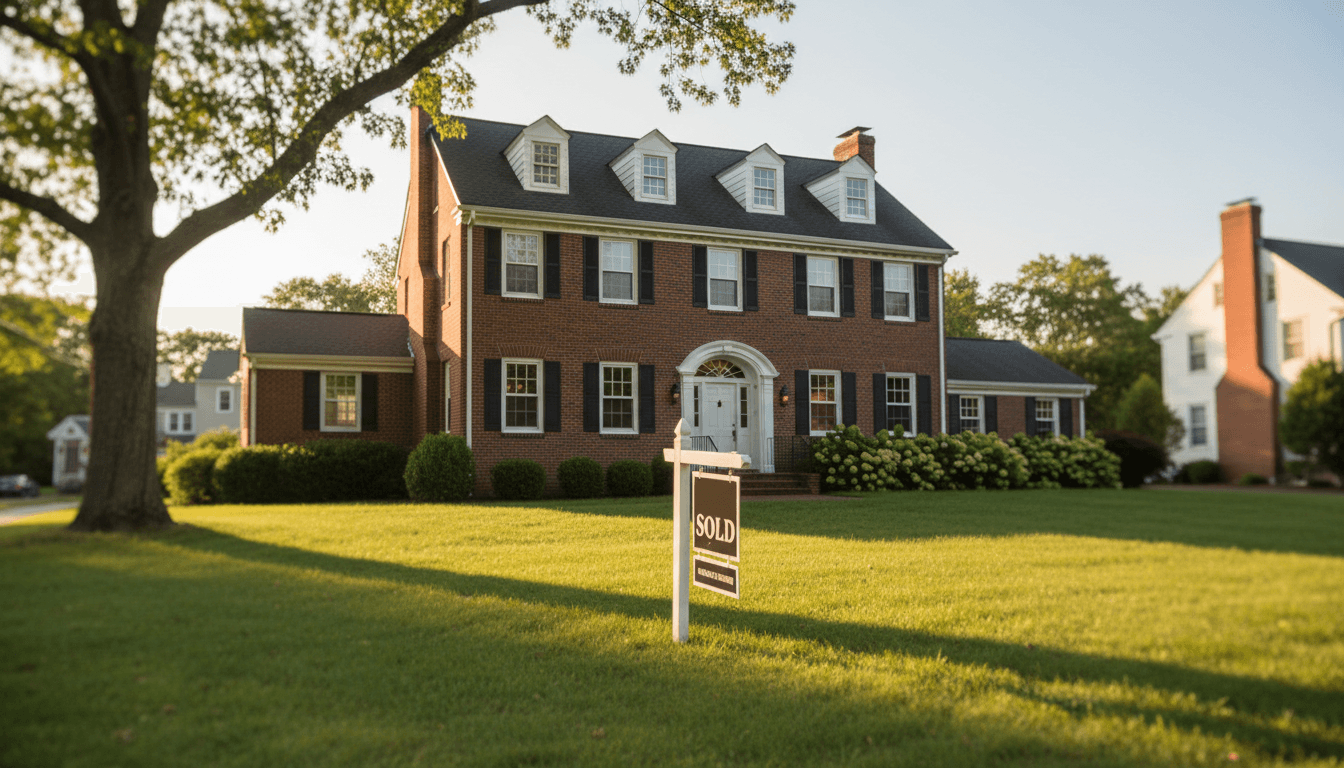
Yes, you can sell a house with a lien on it, provided the debt is satisfied before or at the time of closing. Most homeowners use the proceeds from the sale to pay off the lien and clear the title for the new buyer. You may also consider selling directly to a cash buyer who specializes in properties with title complications to simplify the process.
Discovering a lien on your property often feels like hitting a brick wall during an already stressful real estate transaction. Whether it is a surprise tax obligation or a lingering contractor dispute, the fear of losing your equity or having the sale fall through is a heavy burden for any homeowner. At SJW Dev & Holdings LLC, we understand that these legal encumbrances are common obstacles rather than definitive deal breakers. Navigating the complexities of New Jersey title laws requires a strategic, professional approach to ensure your closing stays on track. This guide explores exactly how to navigate these hurdles. You will learn about the various types of liens affecting South Jersey properties, practical methods for clearing titles, and how to manage sales when the debt exceeds the market value. We provide the expert clarity you need to move forward with total confidence.
Yes, You Can Sell a House With a Lien on It in New Jersey
Homeowners often feel a sense of panic when they discover a cloud on their property title, but the short answer is yes; you can sell a house with a lien on it in New Jersey. While the term sounds intimidating, liens are a frequent occurrence in South Jersey real estate transactions. Property owners in Camden, Burlington, and Gloucester counties often encounter these issues due to unpaid property taxes, old medical judgments, or contractor disputes; you are certainly not alone in this situation.
It is crucial to distinguish between the act of selling the property and the act of transferring a clear title. You are legally permitted to enter into a contract to sell the home at any time. However, to complete the transaction, the title must be cleared, meaning the lien must be paid off, negotiated, or legally removed before or during the closing process. In most cases, these debts are settled directly from the sale proceeds at the closing table. If you are dealing with a complicated title issue and need to move quickly, selling a house as-is to a professional buyer can simplify the process. We often have the expertise to navigate the specific paperwork that might otherwise cause a retail buyer's mortgage lender to deny their loan. Instead of letting a lien stall your plans, you can get a cash offer and let a professional handle the administrative cleanup.
Understanding the Different Types of Liens Affecting NJ Homeowners
In New Jersey, a lien is a legal claim or encumbrance filed against your property title, serving as security for a debt. It acts as a roadblock that prevents you from transferring a clear title to a buyer until the obligation is satisfied. Understanding the nature of these claims is the first step toward a successful transaction. New Jersey law generally categorizes liens into two buckets: voluntary and involuntary.
Voluntary liens are those you knowingly agreed to, such as a traditional mortgage or a home equity line of credit (HELOC). These are standard in almost every real estate transaction. Involuntary liens are more complex, as they are placed against your property without your consent because of unpaid obligations.
Lien Type | Description | New Jersey Context |
|---|---|---|
Municipal Tax Liens | Unpaid local property taxes. | Towns sell lien certificates to private investors who can eventually initiate foreclosure. |
Mechanic’s Liens | Unpaid contractors or suppliers. | Filed by professionals who provided labor or materials for home improvements. |
Judgment Liens | Court-ordered debts. | Arising from lawsuits, such as unpaid medical bills or credit card debt. |
Child Support Liens | Arrears in support payments. | These automatically attach to real estate once filed with the Clerk of the Superior Court. |
New Jersey municipal tax liens are notably aggressive. When a homeowner falls behind, the municipality frequently sells the tax sale certificate to a private investor at an auction. This investor then holds a priority claim against your home. Furthermore, child support arrears in this state function uniquely; they automatically become a lien against any real estate you own once the judgment is recorded, even if the debt has nothing to do with the property itself.
If you are overwhelmed by these filings, selling a house as-is to a professional investment firm can simplify the process. We have experience navigating the statutory requirements for discharging these claims at the closing table, ensuring that the legal hurdles do not prevent you from finalizing your sale.
How to Discover if Your South Jersey Property Has a Hidden Lien

Identifying encumbrances before you list prevents unexpected delays at the closing table. In New Jersey, most liens are public records held at the county level. If you own property in Camden County, you can utilize the Camden County Clerk’s Office online search tool to look up your name or address. Residents in Burlington County can access the County Clerk’s Public Records Electronic Search System, often referred to as PRESS. These databases allow you to review deeds, mortgages, and recorded judgments that might affect your ability to transfer title.
Searching these records often reveals stale liens. These are debts you may have paid years ago, such as an old car loan or a settled credit card judgment, that were never formally discharged by the creditor. In these cases, the lien remains attached to the title because the proper satisfaction paperwork was never filed with the county clerk. This is a common administrative oversight that can halt a sale if not addressed early.
If the search results are confusing or you suspect there are unrecorded issues like municipal tax certificates, order a preliminary title report from a local title company. This report provides a comprehensive view of what a buyer’s lender will eventually see. When these findings complicate a traditional listing, you may choose to sell your house fast for cash. Professional investment firms have the resources to help clear these administrative hurdles, confirming that yes, you can sell a house with a lien on it without navigating the county bureaucracy on your own.
The 4 Main Ways to Handle a Lien During a Sale

Once you have identified the specific encumbrances on your title, you must decide which resolution strategy fits your timeline and financial situation. Dealing with these legal claims requires a tactical approach to ensure the transaction remains valid under New Jersey law.
Resolution Method | Best For | Practical Consideration |
|---|---|---|
Pre-Listing Payoff | Sellers with liquid cash. | Clears the title immediately to attract traditional buyers. |
Sale Proceed Settlement | Standard equity sales. | Paid at closing; requires no upfront out-of-pocket cash. |
Lien Negotiation | Old judgments or medical debt. | Creditors often accept 50 to 80 percent of the balance to close the file. |
Legal Dispute | Stale or fraudulent liens. | Requires proof of payment or evidence of filing errors. |
Paying the lien in full before listing is the most straightforward path, but it is often the least practical for those needing to sell your house fast for cash. The most common method in South Jersey is settling the debt at the closing table. During this process, a New Jersey title company acts as the neutral intermediary. They request a formal payoff letter from the lienholder, which includes the principal balance and any accrued interest or filing fees. These funds are then diverted from your sale proceeds directly to the creditor, ensuring the buyer receives a clear deed.
Negotiation is a powerful tool for homeowners facing high-interest judgment liens. Debt collectors and private lenders are often willing to settle for a lump sum that is less than the total recorded amount, especially if they know a sale is pending. If the lien is expired or was never properly discharged after payment, you may need to work with an attorney to file a discharge of lien with the county clerk. If these obstacles feel insurmountable, you can get a cash offer from a professional firm that understands how to navigate the settlement process. When selling a house as-is to an experienced investor, the complexity of coordinating with title agents and creditors is handled for you, allowing you to move forward without the administrative burden.
What Happens if Your Lien is More Than Your Home Worth?
In South Jersey markets like Collingswood or Cherry Hill, property values can fluctuate while debt accumulates, occasionally leading to a situation where the total balance of liens exceeds the home's market value. This state of negative equity means that even after a sale, the proceeds would not cover the full amount owed to creditors. When determining can you sell a house with a lien on it that exceeds the property value, the answer remains yes, but the process shifts into what is commonly known as a short sale negotiation.
In these instances, every lienholder, including the primary mortgage lender and any secondary judgment holders, must agree to accept less than the full amount owed to release their claim. These entities are often willing to negotiate if they believe a settlement is more profitable than a lengthy foreclosure. However, retail buyers are rarely equipped to wait for the months of bank approvals required for such transactions. Professional investment firms often have the specific experience needed to navigate these complex negotiations with banks and private creditors. By choosing to sell your house fast for cash, you leverage the investor's ability to coordinate these payoffs, allowing you to walk away from a burdensome property even when the math seems stacked against you.
Selling a House With a Tax Lien Specifically in NJ
In New Jersey, property tax liens carry a "super-priority" status. This means they take precedence over almost every other encumbrance, including your primary mortgage. If you fall behind on municipal taxes in a town like Camden or Hamilton, the municipality will eventually sell a tax sale certificate to a private investor at a public auction. When homeowners ask, "can you sell a house with a tax lien on it," they are often racing against a ticking clock. Once a certificate is sold, the investor earns a high interest rate, often reaching up to 18 percent, which causes the total debt to balloon rapidly.
Timing is critical because of the redemption period. While you generally have two years from the date of the tax sale before a private investor can initiate a foreclosure action, the financial burden grows every day. A fast cash sale is frequently the most effective way to halt this process. By selling a house as-is, you can use the liquidity of a quick closing to pay off the tax collector or the certificate holder in full before they can move to take title. If you are facing an impending tax sale, you should get a cash offer to settle the debt immediately. This prevents the total loss of your equity that occurs if the foreclosure reaches its final judgment in the New Jersey Superior Court.
The Benefits of Selling to a South Jersey Cash Buyer When You Have Liens

Traditional sales rely heavily on mortgage financing. If a title search reveals a judgment or a municipal tax certificate, most lenders will immediately halt the funding process until the title is completely cleared. This creates a catch-22 for sellers who need the sale proceeds to pay off the debt. Furthermore, retail buyers in the South Jersey market often lack the experience to navigate legal encumbrances, leading to canceled contracts and wasted time.
Selling to a local investment firm offers a streamlined alternative. We specialize in complex title issues, including inherited properties with liens and multi-year tax arrears. Because we use private capital rather than bank financing, we can bypass the strict requirements that stall traditional transactions. This allows us to close in as little as one week, providing the liquidity needed to satisfy creditors before further interest accrues.
Feature | Traditional Retail Sale | SJW Dev & Holdings LLC |
|---|---|---|
Buyer Reaction | Often walks away due to title clouds. | Expertly navigates and resolves liens. |
Financing | Bank-dependent; likely to be denied. | All-cash; no lender approvals needed. |
Timeline | 45 to 60+ days; often delayed. | Closes in as little as one week. |
Title Cleanup | Seller must handle all bureaucracy. | Firm handles administrative coordination. |
Our team brings specific expertise to the recording nuances in Camden, Mercer, and Burlington counties. We understand how to work with local municipal clerks and title agents to verify payoffs and ensure a clean transfer. While the legal answer to can you sell a house with a lien on it is always yes, the practical difficulty depends entirely on who is buying the property.
If you are struggling with how to move forward, you can get a cash offer to bypass the retail market entirely. By selling a house as-is, you shift the burden of lien resolution and property rehabilitation to us. Choosing to sell your house fast for cash is often the most pragmatic way to protect your remaining equity and resolve long-standing financial obligations.