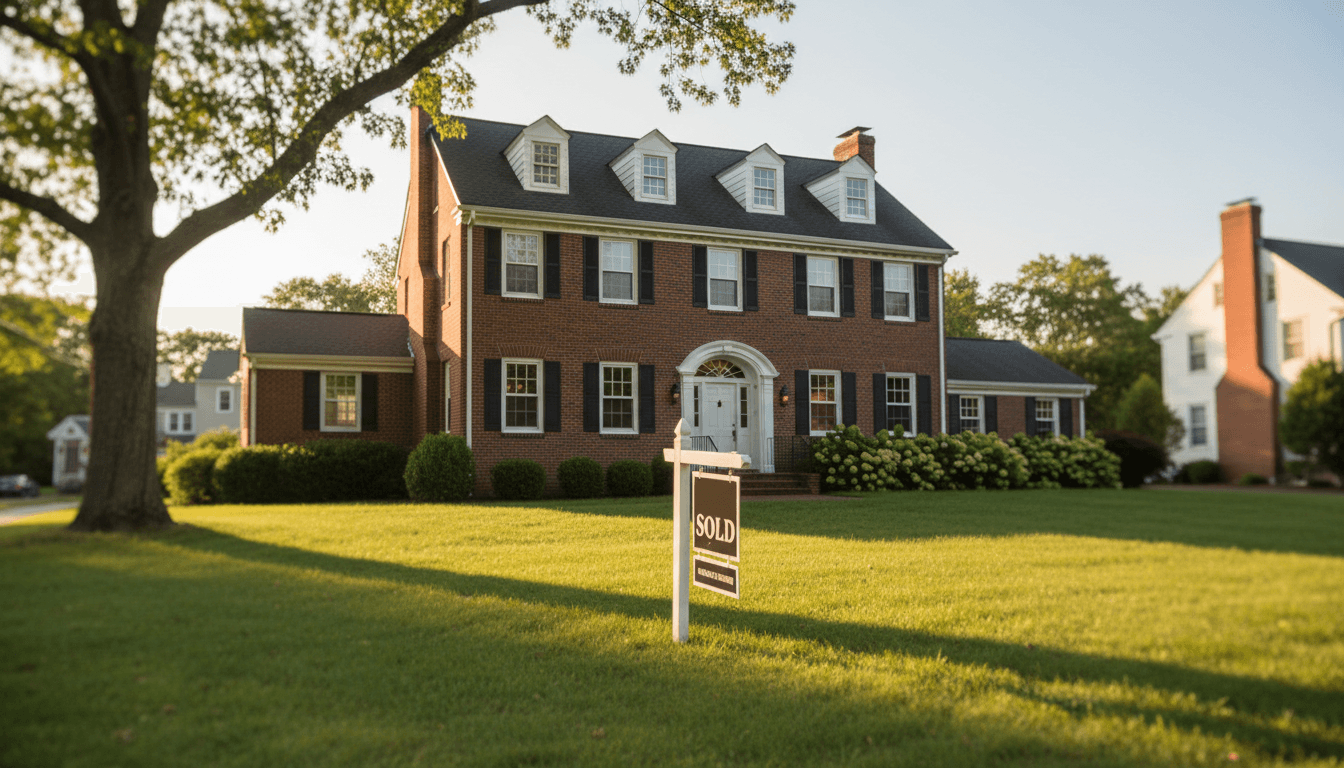
Selling a house during divorce in New Jersey is not legally mandatory if spouses agree on a buyout, yet courts frequently order a sale to ensure the equitable distribution of marital assets. Couples seeking a fast exit can sell the property directly to cash buyers to avoid repairs and commissions, allowing for a quick division of equity. This process helps both parties resolve their financial obligations and move forward without the stress of a traditional real estate listing.
Navigating the dissolution of a marriage is emotionally taxing, yet the logistical burden of liquidating a primary residence often proves to be the most complex hurdle. In New Jersey, the intersection of equitable distribution laws and high property maintenance costs creates a high-stakes environment where delays can quickly erode your remaining equity. Securing a clean break requires more than just a legal decree; it necessitates a strategic approach to real estate that balances speed with financial preservation. This guide examines your primary options for the marital home, including the tax implications unique to Garden State residents and the specific pitfalls of traditional listings during litigation. We will explore how a direct, as-is sale can provide the liquidity needed to move forward without the stress of repairs or public showings, allowing both parties to close this chapter with their finances intact.
Understanding Equitable Distribution and the Marital Home in NJ

In New Jersey, the marital home is often the most significant asset on the balance sheet. When you are selling a house during divorce in New Jersey, the first legal hurdle is understanding equitable distribution. Unlike community property states that mandate a strict 50/50 split, New Jersey law requires a distribution that is fair based on specific circumstances.
Equitable does not always mean equal. The courts look at a variety of factors to determine how to divide the equity in a property, including the length of the marriage, the income and earning capacity of each spouse, and the financial contributions toward the acquisition or upkeep of the home. The age and physical health of both parties are also factored into the final decision. Because every marriage is unique, the division of the proceeds from a home sale can vary significantly from one case to the next.
A common concern for homeowners in Camden or Burlington counties is whether one spouse can sell the property unilaterally. In New Jersey, the law provides significant protections for the primary marital residence. Even if only one spouse is listed on the deed, both parties generally must consent to the sale. If one party refuses to cooperate, the other must obtain a court order to move forward. This ensures that neither spouse can liquidate the couple's most valuable asset without a legal agreement or judicial oversight.
For couples who agree that a clean break is necessary, selling a house as is can simplify the division of assets. By securing cash offers for NJ homes, you avoid the lengthy negotiations over repairs and staging that often complicate divorce proceedings. This allows both parties to receive their fair share of the equity quickly, which is often the most practical way to satisfy the court's requirement for a fair distribution.
The Three Primary Paths for the Marital Home
Once the court or mediation establishes the equity available in a property, homeowners in South Jersey generally face one of three logistical paths to resolve the asset. Each path carries distinct financial implications for your credit, tax liability, and future borrowing power.
The Buyout: One spouse retains the property by purchasing the other spouse’s share of the equity. This usually necessitates a mortgage refinance to remove the departing spouse’s name from the debt obligation. In today’s market, this can be challenging if the keeping spouse must qualify for a new loan at current interest rates using only a single income. Alternatively, a buyout can occur by trading other marital assets, such as retirement accounts or investments, to offset the value of the home equity.
The Deferred Sale: This path is often chosen to maintain stability for minor children. One spouse remains in the home for a fixed period, perhaps until a child graduates high school, at which point the home is sold. While this provides consistency, it leaves both parties financially linked. Both individuals remain responsible for the mortgage and potential liens, which can prevent the departing spouse from qualifying for a new home loan in areas like Mercer or Gloucester counties.
The Immediate Sale: Selling the property now and dividing the proceeds is frequently the most practical route for those seeking a clean break. An immediate sale eliminates shared debt and provides the liquid capital necessary for both parties to start over. In high-conflict divorces where co-managing repairs or mortgage payments is impossible, an immediate exit is the most effective way to satisfy the court’s requirements.
For many in Camden or Burlington counties, the hurdle to an immediate sale is the condition of the property. If the home requires significant updates, selling a house as is allows you to bypass the friction of negotiating who pays for repairs. When selling a house during divorce in New Jersey, choosing to sell your house fast for cash can accelerate the timeline, ensuring that financial obligations are settled so both parties can move forward without lingering ties to the past.
NJ Capital Gains Tax Considerations for Divorced Couples
Deciding how to handle the marital home requires a clear understanding of the tax implications, as the timing of the sale often dictates the size of the final check. Under IRS Section 121, homeowners can exclude a portion of their capital gains from taxation if they meet the ownership and use test, which requires living in the home as a primary residence for two of the five years preceding the sale. When selling a house during divorce in New Jersey, married couples filing jointly can exclude up to $500,000 of gain. Once the divorce is finalized, each individual is limited to a $250,000 exclusion. For high value properties in Mercer or Burlington counties, selling while still legally married can be a strategic move to maximize tax savings.
For those considering a buyout, Internal Revenue Code Section 1041(a) allows for the tax-free transfer of property between spouses during a divorce settlement. While this facilitates a smooth transition, it carries a hidden cost for the spouse who remains in the home. The receiving spouse inherits the original tax basis of the property. If the home in Collingswood or Gloucester County has appreciated significantly since the original purchase, the spouse who keeps the house may face a massive tax bill when they eventually sell, as they will only have their individual $250,000 exclusion to offset a very low basis.
Consulting with a tax professional is essential to navigate these nuances. Many couples find that pursuing cash offers for NJ homes and selling a house as is before the divorce decree is signed is the most efficient way to capture the full joint exclusion. This strategy provides both parties with immediate liquidity and avoids the long term tax trap of inheriting an outdated basis.
The Logistics Trap: Why Traditional Listings Fail During Divorce
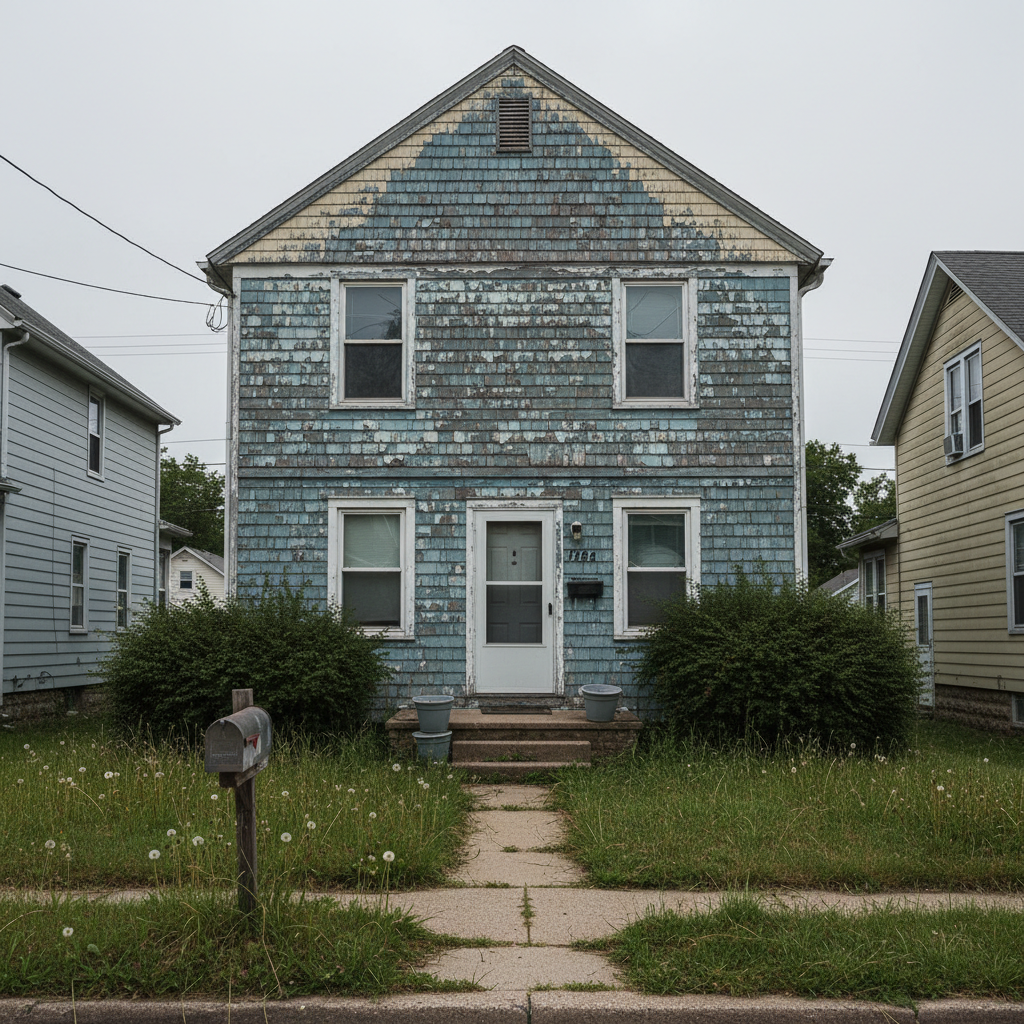
While the tax advantages of a pre-decree sale are clear, the execution often hits a wall when faced with the logistics of a traditional listing. Cooperation is the currency of the retail real estate market, yet it is often the first thing to vanish during a split. In South Jersey, where housing stock in Camden and Gloucester counties often dates back several decades, getting a property market ready usually involves significant capital expenditure.
Disagreements frequently arise over which repairs are essential. One spouse may want to invest in a new roof or HVAC system to maximize the sale price, while the other lacks the liquid cash or the willingness to wait for a return on that investment. Even smaller tasks, like maintaining the lawn or keeping a house pristine for daily showings, become battlegrounds. Managing a stream of strangers walking through your private space while your life is in upheaval adds a layer of psychological strain that many find unbearable.
These logistical frictions often lead to a stalemate. If a couple cannot agree on a listing agent, a price reduction, or who will oversee the contractor for kitchen updates, the property lingers on the market. This stagnation creates additional carrying costs, including property taxes and insurance, which erode the very equity you are trying to protect. For those selling a house during divorce in New Jersey, the friction of the traditional process can become more expensive than the commissions themselves. Choosing to selling a house as is eliminates these points of contention by removing the need for repairs, staging, and constant cooperation, allowing for a cleaner break from the physical and financial burdens of the property.
The Fast Cash Exit: Selling Your NJ Home As-Is During Divorce

Eliminating the logistical friction of a traditional sale is often the most effective way to address the question of how hard it is to sell a house during a divorce. The difficulty usually stems from the condition of the home and the level of cooperation between the parties. SJW Dev & Holdings LLC provides a streamlined alternative for homeowners in Collingswood, Mercer, and Burlington counties who need a clean break without the complications of the retail market.
By securing cash offers for NJ homes, you bypass the need for invasive home inspections, expensive repairs, and public open houses. This is particularly beneficial when one party lacks the funds for updates or when neither spouse wants to manage a parade of buyers through the property. When selling a house during divorce in New Jersey, the speed of the transaction is often just as valuable as the price. We can close in as little as one week, allowing both parties to liquidate their equity and dissolve the shared financial obligation immediately. Choosing to sell your house fast for cash means there are no real estate commissions to pay and no uncertainty regarding buyer financing. Selling a house as is converts a complex real estate problem into a simple financial transaction, providing the liquid assets required to fund separate living arrangements and move forward.
South Jersey Divorce Home Sale FAQ
Navigating the complexities of selling a house during divorce in New Jersey often leads to technical questions about property rights and state law. Here are the most common concerns for South Jersey homeowners.
Can my spouse sell the house without my signature? In New Jersey, a spouse generally cannot sell the primary marital residence without the other’s consent. Even if your name is not on the deed, you possess a legal right of joint possession under state law. Title companies and buyers in Camden or Burlington counties will require both spouses to sign the closing documents to ensure the title is clear of marital claims. The only way to bypass this requirement is through a specific court order mandating the sale.
Does moving out mean I lose my right to the equity? Relocating to a new residence does not mean you forfeit your share of the home’s value. Equity is determined through equitable distribution, which accounts for the duration of the marriage and financial contributions. However, moving out can influence pendente lite orders, which are temporary court instructions regarding who pays the mortgage, taxes, and insurance until the divorce is finalized. Leaving the home might change your monthly cash flow, but it does not erase your ownership interest in the asset.
Can a house be sold as-is in NJ? Yes, and it is frequently the most strategic choice for couples in conflict. Selling a house as is removes the burden of municipal inspections and mandatory repairs. For those who need to liquidate quickly to fund two new households, seeking cash offers for NJ homes provides a path to sell your house fast for cash without typical retail delays. This method is particularly effective in Mercer and Gloucester counties, where older properties might otherwise require months of renovations to qualify for traditional bank financing.
Navigating a home sale during a divorce is a complex journey that requires both legal precision and emotional resilience. Whether you choose the traditional market or a quicker path, the priority should always be a fair resolution that allows everyone to move forward. If you find the process overwhelming and want expert guidance, we are here to simplify things. You can Sell Fast and avoid the typical stresses of the real estate market. Our team provides a compassionate approach to help you start your next chapter with confidence.