Selling an inherited house with siblings New Jersey requires the executor to obtain Letters Testamentary from the county Surrogate's Court before the property can be legally liquidated and the proceeds divided. If co-owners cannot reach a mutual agreement, an heir may file a partition action to force a court-ordered sale, though resolving disputes through a buyout or shared listing is often more cost-effective.
Losing a loved one is a profound challenge, but the subsequent task of managing a shared real estate asset in New Jersey often introduces legal and emotional friction that few families are prepared to navigate. When siblings inherit a home, differing opinions on property maintenance, valuation, or residency can quickly transform a legacy into a significant financial liability. Understanding your rights within the New Jersey probate system is essential to protecting your interest and avoiding protracted litigation. This guide provides a professional roadmap for navigating these complexities, including how to handle a sibling who refuses to sell, the specific implications of state inheritance tax, and the mechanics of a fair buyout. We will also explore the practical benefits of selling the property as-is versus pursuing a traditional market listing to ensure you maximize the value of the estate while maintaining family harmony.
The Legal Starting Point: Navigating New Jersey Probate with Multiple Heirs

Before you can move forward with selling inherited house with siblings New Jersey, you must first secure legal authority from the state. In New Jersey, this process begins at the Surrogate’s Court in the county where the deceased resided, such as Camden, Mercer, Gloucester, or Burlington County. Without official court documentation, the property remains in the name of the deceased, and you cannot legally transfer the title or sign a listing agreement.
The specific document you need depends on the existence of a valid will. If a will was left, the court issues Letters Testamentary to the named executor. If the homeowner died intestate, meaning without a will, the court issues Letters of Administration to a court appointed administrator, typically a close family member. Even if one sibling is designated as the executor, they do not have absolute power to do as they wish. They hold a fiduciary duty to all heirs, meaning they must act in the best financial interest of everyone involved and provide transparent accounting of the estate assets.
Navigating this early stage is critical because failing to initiate probate stalls the entire timeline. You must prove your legal right to sell an inherited property in New Jersey before engaging with buyers or realtors. Only after the Surrogate’s Court validates the authority of the executor or administrator can the estate move toward liquidating the real estate and addressing inheritance tax considerations. Until those letters are in hand, the house is legally untouchable.
Do All Siblings Have to Agree to Sell an Inherited Property in NJ?
Once the Surrogate’s Court issues the necessary letters, the question of consensus becomes the primary focus. In New Jersey, if a property is left to multiple children without specific instructions to the contrary, the siblings typically hold title as Tenants in Common. This legal structure means each sibling owns an undivided fractional interest in the entire asset. Consequently, no single heir has the authority to sell the entire property without the express written consent of all others.
While an executor often possesses the legal power to sell an inherited property in New Jersey to satisfy estate debts or facilitate asset distribution, acting unilaterally is rarely advisable. Most title companies in Mercer and Gloucester counties require all heirs to sign closing documents to ensure a clear, insurable title. Even if the will provides a broad power of sale, the executor maintains a fiduciary duty to act in the best interest of all parties; this usually necessitates open communication regarding the sale price and terms.
If a stalemate occurs, a single sibling cannot sign away the interests of their brothers or sisters, but they are not legally trapped. New Jersey law allows any tenant in common to initiate a legal process to force the liquidation of the asset. Resolving these disputes early is the best way to manage selling inherited house with siblings New Jersey without depleting the estate's value through litigation or complicated inheritance tax considerations.
What to Do When a Sibling Refuses to Sell or Move Out
Disagreements often escalate when one sibling remains in the family home while refusing to cooperate with the sale. This situation creates a significant financial drain on the remaining heirs. In high-tax areas like Camden or Burlington County, the costs of property taxes, homeowners insurance, and ongoing maintenance can quickly deplete the estate's liquid assets. If the sibling residing in the home is not paying rent, the other heirs are essentially subsidizing their living expenses while the property value remains locked. This imbalance often leads to resentment and can complicate future inheritance tax considerations.
When negotiations fail, the final legal remedy in New Jersey is a Partition Action. This is a lawsuit filed in the Superior Court, Chancery Division, that asks a judge to terminate the joint ownership. Because a single family home cannot be physically divided among heirs, the court will almost always order a partition by sale. This process forces the property onto the market, with the proceeds distributed among the siblings after liens and legal fees are settled. Filing a partition action is often the most expensive way of selling inherited house with siblings New Jersey, as it involves significant litigation costs and court fees that are deducted from the final sale price.
While effective for breaking a stalemate, a partition action should be viewed as a last resort. New Jersey courts can be slow; a contested partition can take months or even years to reach a conclusion. The legal fees for both the estate and the individual heirs can reach tens of thousands of dollars, significantly reducing the inheritance for everyone. Before engaging in a lengthy court battle to sell an inherited property in New Jersey, it is often more practical to explore a direct buyout or a professional cash offer to resolve the deadlock.
New Jersey Inheritance Tax: What Siblings Need to Know
Understanding New Jersey’s tax structure is vital because siblings face different rules than surviving spouses or children. In New Jersey, beneficiaries are divided into specific classes that determine their tax liability. While Class A beneficiaries, such as children and grandchildren, are exempt from inheritance tax, siblings are designated as Class C beneficiaries.
For siblings, the first $25,000 of the inheritance is exempt. Any amount above that threshold is taxed at a progressive rate ranging from 11 to 16 percent. This is often an overlooked expense when selling inherited house with siblings New Jersey because many heirs assume all immediate family members receive the same tax treatment. Because this tax is based on the value of the individual share, it must be factored into the final distribution of proceeds.
Beyond the state inheritance tax, you must account for capital gains. The IRS provides a 'step-up in basis' for inherited assets, which is a significant financial benefit. This means the cost basis of the home resets to its fair market value on the date of the original owner’s death, rather than what the deceased originally paid for it decades ago. If you sell an inherited property in New Jersey shortly after the inheritance is finalized, the capital gain is often negligible or non-existent, potentially resulting in zero capital gains tax for the siblings.
Before the transaction can finalize, the estate must address the NJ Inheritance Tax Clearance Waiver. The state of New Jersey typically places a statutory lien on the real estate of a decedent until the inheritance tax is paid or a waiver is issued. Title companies in Burlington and Mercer counties will require this waiver to ensure the state’s interest is satisfied before the deed is transferred to a third party. Addressing these inheritance tax considerations early in the process prevents the sale from stalling during the final week of closing.
How to Buy Out Your Siblings Share of a House Fairly

Clearing the statutory tax lien is a prerequisite for any title transfer, including an internal buyout. When one sibling wishes to keep the family home in a neighborhood like Collingswood or Princeton, a structured buyout provides a fair financial exit for the others while satisfying the estate's obligations.
Commission an independent appraisal to establish a neutral Fair Market Value. Avoid using automated online estimates, as they rarely account for the specific condition of South Jersey properties or local market nuances.
Subtract all existing liabilities, including remaining mortgages, municipal tax liens, or utility debts, from the appraised value.
Divide that net equity by the number of siblings to determine the individual payout amount for each heir.
The purchasing sibling must then secure a new mortgage or utilize liquid assets to pay out the other heirs and satisfy the estate's debts.
This strategy fulfills the fiduciary duty of the executor while allowing the home to remain in the family. It is essential to remember that even in a buyout, you must account for inheritance tax considerations for Class C beneficiaries. If the buying sibling cannot secure financing, the group may instead look toward selling your house as-is for cash to a professional firm. Using this structured approach for selling inherited house with siblings New Jersey ensures that every heir receives their equitable share without the delays or costs of a traditional market listing.
Selling the Inherited Home As-Is vs. Listing with a Realtor
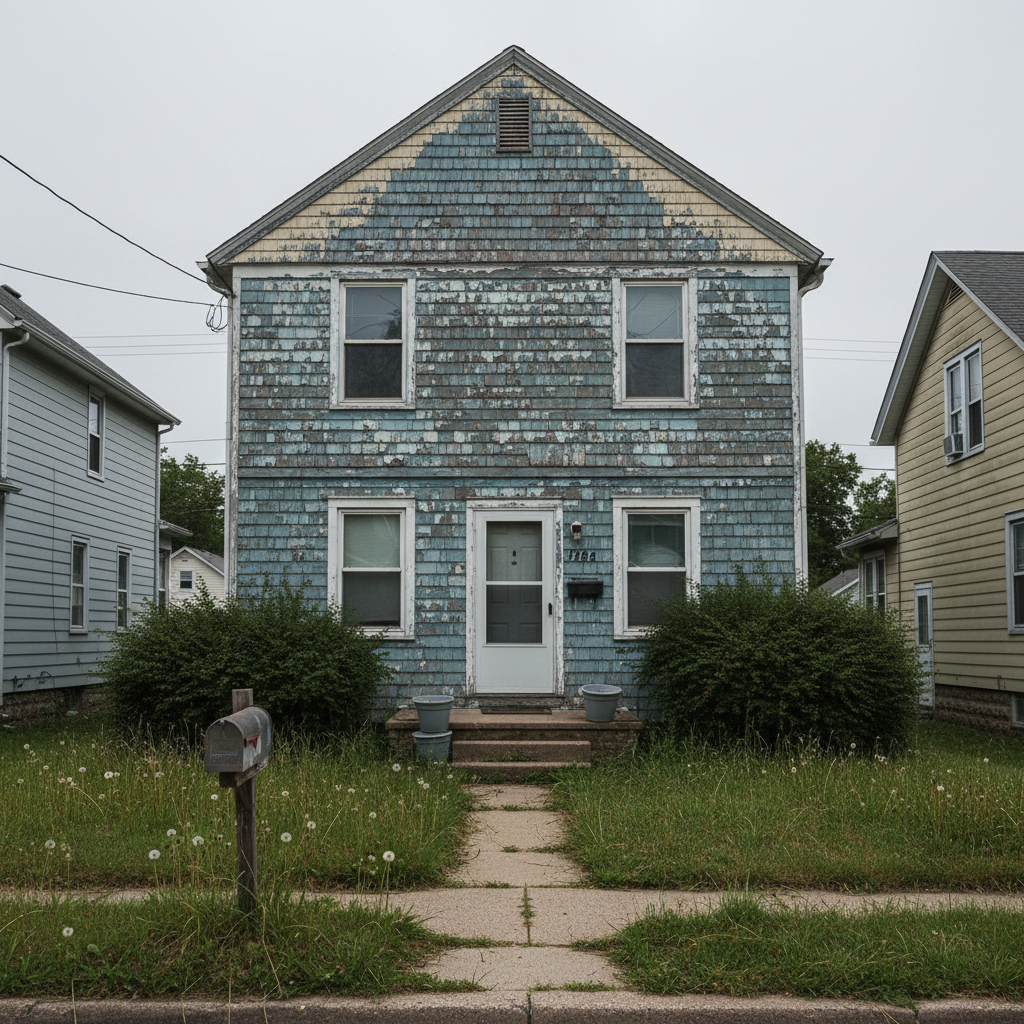
Choosing between a traditional market listing and a professional cash sale often determines how quickly sibling tensions resolve. When listing with a realtor, the estate must prepare the home for modern buyers. This frequently ignites conflict over who will manage the renovation, which paint colors will attract the best offer, and who will front the capital for repairs. If one sibling is financially strained, they may resent others who want to spend estate funds on cosmetic upgrades instead of distributing the cash immediately.
A traditional sale in South Jersey also faces specific hurdles that can stall a transaction for months. Homes in older neighborhoods like Haddonfield or Mount Holly often deal with buried oil tanks, outdated electrical systems, or decades of deferred maintenance. Most traditional buyers using FHA or conventional financing cannot close until these issues are remediated. For siblings already struggling to agree, a failed inspection or a $15,000 oil tank removal bill can lead to total gridlock.
Comparison Factor | Traditional Realtor Listing | SJW Dev & Holdings LLC Cash Sale |
|---|---|---|
Property Condition | Must be market ready | Purchased exactly as-is |
Sibling Input | Constant debate over repairs | Single decision to sell |
Timeline | 60 to 120 days | As little as 7 days |
Risk | Failed inspections or financing | Guaranteed cash closing |
Opting for selling your house as-is for cash to a local firm like SJW Dev & Holdings LLC removes these friction points. We purchase properties in their current state, meaning no one has to clean out the basement, negotiate with contractors, or argue over listing prices. By choosing a streamlined path to sell an inherited property in New Jersey, the estate receives a definitive closing date and a fixed price. This certainty is often the most effective way to finalize the process of selling inherited house with siblings New Jersey while preserving family relationships. We handle the complexities of local South Jersey property issues, allowing the heirs to move forward without the stress of a prolonged market exposure.
Navigating the sale of a shared family home involves balancing emotional ties with financial realities. Successful outcomes depend on clear communication and a shared commitment to the best path forward. If you find the process of managing an Inherited Property overwhelming, professional guidance can provide the clarity you need. SJW Dev & Holdings LLC is here to simplify these complex situations. Whether you require a quick sale or advice on New Jersey market trends, having an expert partner ensures your family reaches a resolution that respects everyone involved.