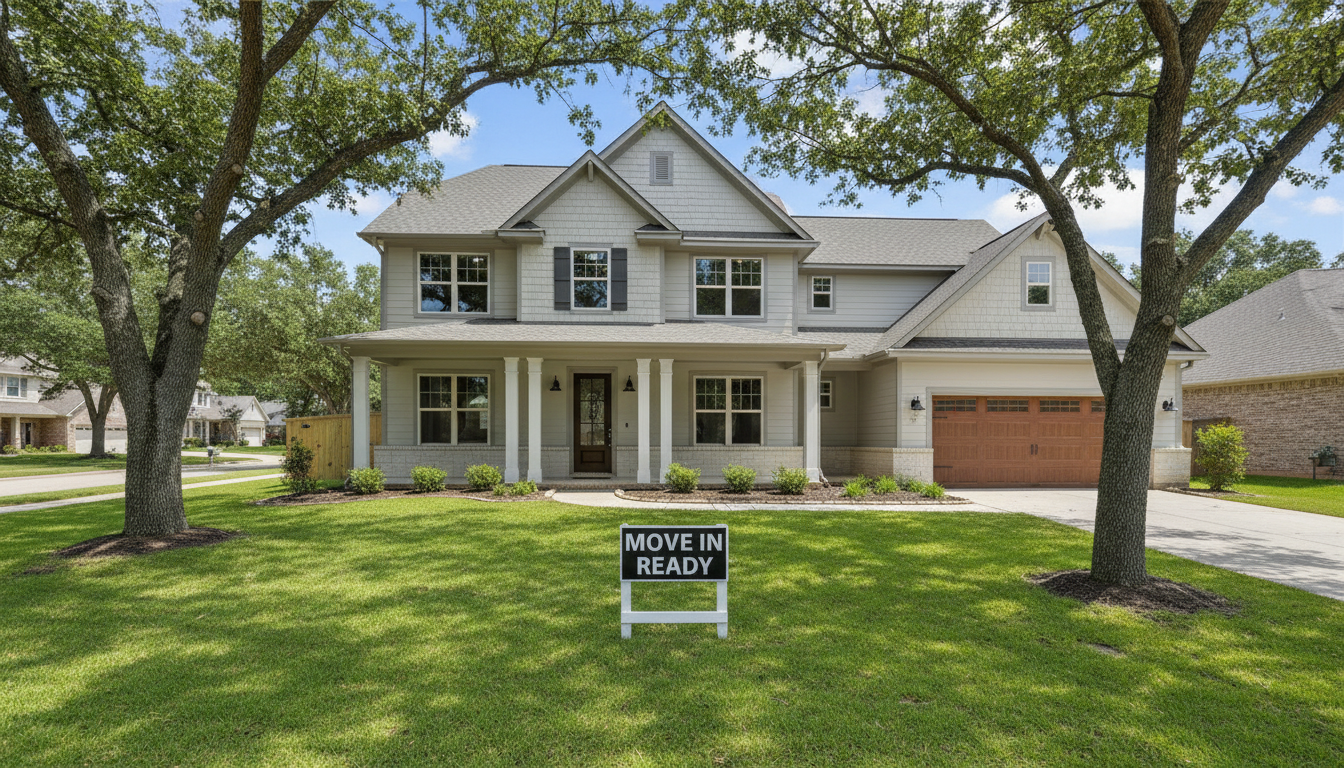
Selling a house in probate New Jersey is permitted once the court formally appoints an executor or administrator to manage the deceased person's estate. This representative generally has the legal authority to sell real estate to pay off estate debts or distribute proceeds to heirs; furthermore, they can often complete the sale without requiring specific court approval or unanimous beneficiary consent.
Managing the sale of a house in probate across New Jersey often feels like navigating a legal maze while carrying the weight of a loved one's legacy. For many executors and heirs in South Jersey, the physical upkeep of a vacant property combined with mounting taxes and legal complexities can quickly turn an inheritance into a significant financial burden. Understanding your rights and responsibilities is crucial to protecting the estate's value and ensuring a smooth transition. This guide serves as your professional roadmap for the New Jersey probate process. We will clarify your legal authority to sell, detail the specific steps required by state law, and analyze the hidden costs of taxes and liens. Finally, we will help you evaluate whether a traditional market listing or a streamlined cash sale aligns best with your family's immediate goals and long term needs.
The Reality of Managing Probate Real Estate in South Jersey
Stepping into the role of an executor or heir often happens during a period of significant personal loss. It is a responsibility that balances emotional grief with the strict administrative requirements of the state. In New Jersey, probate is the court supervised process used to validate a decedent’s will, settle outstanding debts, and eventually distribute assets to beneficiaries. This legal oversight ensures that the wishes of the deceased are honored and that all creditors are satisfied before titles are officially transferred.
Managing residential assets throughout Camden, Gloucester, and Burlington counties adds a layer of practical complexity to this role. Executors often find themselves responsible for properties that have been in the family for decades, requiring immediate attention to maintenance, security, and mounting utility costs. The pressure to protect the estate’s value while navigating local court procedures can be overwhelming. However, you are not locked into a single strategy. When selling an inherited property in New Jersey, you have several paths to liquidation. These range from traditional market listings to streamlined transitions that allow you to get a fair cash offer and close the chapter quickly. Understanding the reality of selling a house in probate New Jersey is the first step toward a successful resolution for the estate.
Understanding Executor Authority: Can You Sell a House in Probate New Jersey?

The short answer to whether you can sell a property during the probate process is yes. However, you do not have the legal authority to sign a listing agreement or a sales contract the moment a loved one passes away. In New Jersey, the law requires a 10 day waiting period following the date of death before a will can be formally probated. Once this period lapses, the person named in the will must visit the County Surrogate to be officially sworn in.
If the property is located in Camden County, you will interface with the Camden County Surrogate’s Court in Camden. For Burlington County estates, you will visit the Surrogate in Mount Holly. Upon validating the will, the Surrogate issues a document known as Letters Testamentary. This certificate is the essential document required by title companies, banks, and buyers to prove you have the legal right to act on behalf of the estate.
There is a specific distinction in titles depending on the existence of a will. If the decedent left a valid will, you are an Executor. If they died intestate, or without a will, the court appoints an Administrator who receives Letters of Administration. Both roles carry a heavy fiduciary duty. This means you are legally obligated to act in the best interest of the heirs or beneficiaries, ensuring the property is handled correctly and that you avoid any actions that could diminish the estate's value.
When selling a house in probate New Jersey, the Executor often has the power to sell real estate granted directly within the text of the will. This allows for a more efficient transaction, as you may not need to petition the court for a specific order to sell. Your authority to sell your house as is or enter into a traditional contract stems entirely from those court issued Letters. Without them, any agreement signed regarding the real estate is legally unenforceable.
Step by Step Process for Selling NJ Probate Property
Navigating the timeline of selling a house in probate New Jersey requires following a specific sequence of administrative actions. Once the mandatory 10 day waiting period has passed, the process moves into a formal four stage cycle:
Filing with the Surrogate: The named executor takes the original will and a certified death certificate to the County Surrogate. For residents in our service area, this typically means visiting the offices in Camden, Mount Holly, or Woodbury. This filing establishes the legal record of the estate.
Receiving Official Documents: Once the Surrogate validates the documents and swears in the executor, they issue the Letters Testamentary. In New Jersey, this document is exceptionally powerful. Most wills in the state grant the executor the independent authority to sell real estate without a specific court order. This is a major time saver compared to other jurisdictions where every step of the sale requires a judge's signature.
Inventorying the Estate: Before moving forward, the executor must assess the physical condition of the home and identify any outstanding debts or liens. This stage is often the most labor intensive for families selling an inherited property in New Jersey, as it involves sorting through decades of personal belongings and evaluating necessary repairs.
Deciding on the Sale Method: With the legal authority and property assessment complete, you must choose the most responsible way to liquidate the asset. You can spend estate funds on rehabilitation to prepare for a traditional listing, or you can sell your house as is to eliminate holding costs like taxes and insurance. Many executors choose to get a fair cash offer to satisfy beneficiaries quickly and avoid the risks of a property sitting vacant.
The Financial Impact: Taxes, Liens, and Costs in New Jersey
Liquidating an estate involves more than just finding a buyer; it requires a clear accounting of all liabilities attached to the title. When selling a house in probate New Jersey taxes and existing liens are often the most significant factors reducing the final distribution to heirs. While the New Jersey Estate Tax was repealed for deaths occurring on or after January 1, 2018, the New Jersey Inheritance Tax is still very much in effect. This tax depends entirely on the relationship of the beneficiary to the deceased. Class A beneficiaries, such as spouses, children, and parents, are currently exempt. However, Class C and Class D beneficiaries, which include siblings, friends, or more distant relatives, may face tax rates ranging from 11% to 16% on their share of the estate assets.
Beyond state taxes, the property itself often carries financial weight that must be cleared at the closing table. Any outstanding mortgage, delinquent property taxes, or municipal utility liens for water and sewer services are paid directly from the sale proceeds before any funds reach the beneficiaries. In many South Jersey probate cases, we also encounter Medicaid liens or specialized tax sale certificates held by private investors. These debts must be satisfied to provide a clear title to a new owner. SJW Dev & Holdings LLC frequently works with families dealing with properties burdened by heavy back taxes or complex lien structures. We understand how to navigate these financial hurdles, ensuring that the executor meets their fiduciary duty to settle all estate debts while maximizing the remaining equity for the family members involved.
Evaluating Your Options: Traditional Listing vs. Fast Cash Sale

Once the financial landscape of the estate is clear, you must choose the method of sale that best serves the beneficiaries. This is where many executors find a disconnect between legal advice and practical property management. While a law firm can file your paperwork, they cannot help you clear out a basement or manage a renovation. When selling a house in probate New Jersey, the speed of the transaction is often the most significant factor in preventing property decay and neighborhood complaints.
The traditional route involves listing the home on the open market. This process typically requires the executor to invest estate funds into repairs, landscaping, and deep cleaning to attract a retail buyer. In Camden and Gloucester counties, retail buyers often demand modern updates and passing inspections before they commit to a mortgage. During the months it takes to find a buyer and reach the closing table, the estate remains responsible for holding costs. These include high-premium vacant home insurance, property taxes, and seasonal maintenance. For an estate with limited liquid cash, these ongoing expenses can quickly drain the equity meant for heirs.
The alternative is a professional acquisition through SJW Dev & Holdings LLC. This path is designed to minimize the administrative burden of selling an inherited property in New Jersey. We purchase properties directly, allowing you to sell your house as is without removing a single piece of furniture or performing a single repair.
Feature | Traditional Market Listing | SJW Dev & Holdings Cash Sale |
|---|---|---|
Property Condition | Must be market ready and cleaned out | Purchased as-is; leave what you want |
Speed to Close | 60 to 120+ days | As little as 7 days |
Fees & Commissions | 5% to 6% in realtor commissions | Zero commissions or hidden fees |
Repair Costs | Paid by the estate upfront | Zero repair costs |
Certainty | Deals often fail due to financing | Cash offer with no financing contingencies |
By choosing to get a fair cash offer, you fulfill your fiduciary duty to protect the estate's value by stopping the bleed of holding costs. This route provides a certain, documented transaction that allows you to distribute funds to beneficiaries months sooner than a traditional sale would allow.
Common Probate Mistakes South Jersey Families Should Avoid
Many families in Camden and Gloucester counties find themselves overwhelmed by the administrative burden of an estate, leading to a period of paralysis. Procrastination is one of the most frequent pitfalls. Delaying the initial filing with the Surrogate's Office allows the property to sit vacant, which often results in physical deterioration, pipe bursts during winter months, or municipal code violations for lack of maintenance. While you wait, holding costs like property taxes and high premium insurance continue to erode the equity meant for the beneficiaries.
A more dangerous error involves the premature distribution of assets. Executors carry personal liability for the estate's obligations. If you release funds to heirs before identifying and satisfying all creditors, such as Medicaid liens or outstanding utility debts, you may be held legally responsible for those shortfalls. This is why selling an inherited property in New Jersey requires a methodical approach to debt settlement before any checks are cut. Attempting to handle these complex legal and title issues without professional guidance often leads to expensive corrections later in the process.
Finally, many families overestimate the market value of a house that requires significant rehabilitation. It is common to look at recent sales in Oaklyn or Mount Holly and assume a similar price point for a family home that has not been updated in decades. Retail prices apply to move in ready properties. A house requiring a new roof, updated electrical systems, or specialized cleaning will not command top market value. Overestimating the asking price leads to months of stagnation on the market. In these cases, it is often more prudent to sell your house as is to a professional buyer. Choosing to get a fair cash offer provides a clear, documented path to liquidation that avoids the risk of overvaluation while ensuring all estate debts are covered at the closing table. Navigating the process of selling a house in probate New Jersey effectively means recognizing these risks early and choosing a path that prioritizes certainty over speculation.