Homeowners can successfully sell a house with fire or water damage New Jersey by choosing between costly repairs for a traditional listing or selling directly to as-is cash buyers. While professional restoration can restore value, selling as-is eliminates the need for expensive structural work and simplifies the mandatory disclosure process. Both options require a clear understanding of insurance coverage and state-specific disclosure requirements to ensure a legal sale.
Facing the aftermath of a house fire or a major flood is overwhelming, especially when you realize the financial burden of restoration often exceeds the property's market value. In South Jersey, homeowners frequently find themselves trapped between expensive repairs and a complex real estate market that favors pristine listings. Understanding your rights and responsibilities is crucial because New Jersey disclosure laws are stringent regarding structural damage and mold. This guide provides a professional evaluation of your current situation. We will explore the true costs of restoration, the risks of hidden water damage, and why traditional financing often fails for these properties. Finally, we will compare the benefits of a full renovation against a streamlined as-is cash sale. You will learn the exact steps needed to move forward with confidence, ensuring you protect your equity while navigating the unique challenges of the Garden State real estate landscape.
Can You Sell a House With Fire or Water Damage in New Jersey?
Standing in a living room filled with the smell of smoke or the sight of warped floorboards is a heavy experience for any South Jersey homeowner. Beyond the immediate stress of the disaster itself, the looming question of property value and future stability can be overwhelming. It is important to know immediately that it is entirely legal to sell a house with fire or water damage New Jersey. You are not required by law to restore the property to its original condition before transferring the title.
Homeowners typically navigate this situation through one of three paths. Some choose to use insurance proceeds to fully repair the property and list it traditionally. Others attempt to list the home on the open market in its current state, often targeting contractors. The third path is a direct sale to a professional investment firm, which allows for a no-inspection sale and bypasses the public market entirely.
While the sale is legal, the process differs significantly from a standard transaction. New Jersey has rigorous disclosure requirements that apply even if you intend to sell your house as-is. Furthermore, traditional buyers often face significant financing hurdles. Most mortgage lenders refuse to fund a purchase if the home lacks a functional kitchen or shows signs of structural instability. For those who need to move quickly, the most effective route is often to get a fair cash offer from a buyer equipped to handle the rehabilitation.
Understanding New Jersey Property Disclosure Requirements for Damaged Homes
Navigating a sale involving fire or water issues requires a clear understanding of the New Jersey Property Condition Disclosure Statement. This document is not a formality; it is a legally binding report of the property’s history and current state. Recent updates in 2024 real estate law, specifically those addressed by the New Jersey Division of Consumer Affairs and the Department of Banking and Insurance (DOBI), have placed a higher burden of transparency on sellers. Furthermore, homeowners should be aware of upcoming mandates, including a revised disclosure statement effective August 26, 2026, which will further standardize how environmental risks are reported to potential buyers.
It is vital to distinguish between cosmetic issues and material defects. A yellow water stain on a ceiling from a singular, repaired plumbing leak may be considered cosmetic if the underlying cause was resolved. However, structural damage from a fire, lingering smoke odors in the insulation, or environmental hazards like mold are classified as material defects. In the humid climate of South Jersey, mold often begins to colonize within 24 to 48 hours of a water event. If a basement in Collingswood or Oaklyn has a history of seepage or a pipe burst that was not professionally remediated, it must be documented.
A common misconception is that choosing to sell your house as-is removes the obligation to be transparent. In New Jersey, an "as-is" clause simply means the seller will not provide credits or perform repairs; it does not grant permission to withhold information about known defects. Whether you are dealing with charred floor joists or a cracked foundation from water pressure, silence is a legal risk. Failure to disclose these issues can lead to significant lawsuits in New Jersey courts. To protect yourself, it is often safer to pursue a no-inspection sale with a buyer who acknowledges the damage upfront, ensuring that the liability is fully transferred at the closing table.
The Real Cost of Fire Damage Restoration in South Jersey

Estimating the financial burden of fire recovery requires looking past the surface char. In South Jersey, professional restoration costs typically range from $3,000 for minor kitchen flare-ups to well over $50,000 for significant structural events. These figures reflect a complex, multi-stage process. Soot removal is the first hurdle; soot is highly acidic and will permanently etch glass or corrode metal if not neutralized quickly. Smoke deodorization follows, often requiring industrial-grade thermal fogging or ozone treatments to reach odors trapped inside wall cavities and porous materials. The most expensive phase is structural repair, which involves replacing charred floor joists, wall studs, or roof trusses to ensure the building is safe to inhabit.
These mounting costs are a primary reason why homeowners decide to sell a house with fire or water damage New Jersey rather than attempt a rebuild. Traditional lenders generally refuse to provide mortgages for fire-damaged properties because of safety concerns and the absence of a valid Certificate of Occupancy. This eliminates the vast majority of retail buyers, leaving only cash investors who can manage the rehabilitation risk. Locally, the process is further complicated by municipal bureaucracy. Obtaining the necessary permits for a structural rebuild in Camden or Burlington counties can take months, involving multiple rounds of inspections that can delay a traditional market sale indefinitely.
For those who cannot wait for contractor schedules or insurance settlements, a no-inspection sale offers an immediate exit. Choosing to get a fair cash offer allows you to sell your house as-is, transferring the burden of permits and restoration to a professional firm with the capital and local contractor networks to handle it.
Hidden Dangers: Selling a House With Water Damage and Mold
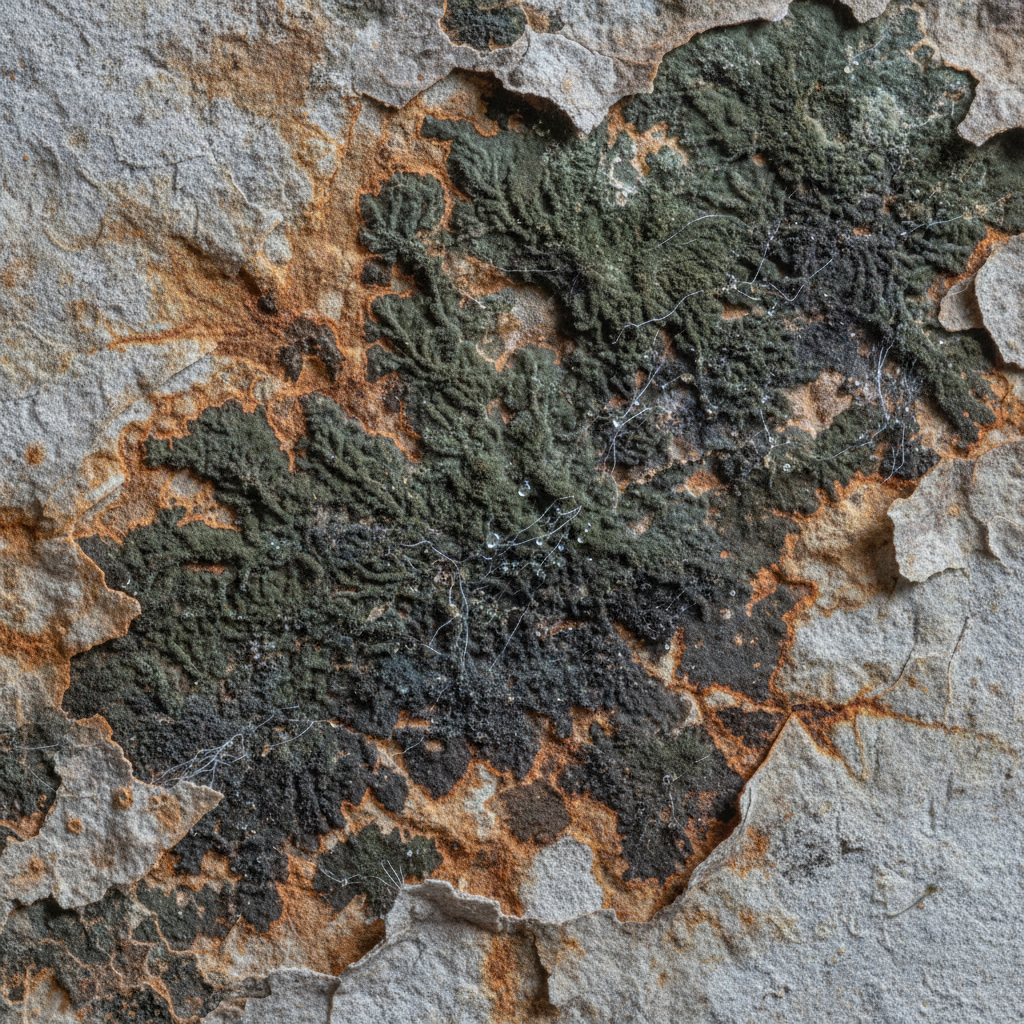
While fire damage is visible and immediate, water damage is often a slow-motion crisis. The timeline for intervention is incredibly tight. Mold spores begin to colonize within 24 to 48 hours of moisture exposure. In the high-humidity environment of South Jersey, particularly in counties like Burlington or Gloucester, a damp basement or a ceiling leak can rapidly evolve into a widespread environmental hazard. This moisture does not just stay on the surface; it compromises the core components of the home. Water frequently infiltrates electrical conduits, leading to hidden corrosion that poses a long-term fire risk. It also settles into subflooring, causing plywood to delaminate and floor joists to weaken, which can necessitate expensive structural replacements if not dried immediately.
Homeowners often ask how much water damage devalues a house. The financial impact usually exceeds the direct cost of remediation. While professional cleanup might cost several thousand dollars, the "stigma" of a water-damaged property can reduce the market value by 10% to 25%. This reduction occurs because retail buyers fear lingering mold issues or future structural failures. Even if you choose to sell your house as-is, traditional buyers will likely demand deep discounts or walk away if they suspect the remediation was not handled by certified experts.
If you are struggling with the aftermath of a pipe burst or flood, a no-inspection sale to a firm like SJW Dev & Holdings LLC allows you to bypass the professional remediation requirements. You can get a fair cash offer based on the current state of the property, avoiding the risk of discovering more mold during the listing process. This is often the most practical way to sell a house with fire or water damage New Jersey when time and structural integrity are working against you.
Why Traditional Buyers and Banks Often Avoid Damaged Properties
The difficulty in selling a property with significant damage often stems from the financial institutions, not just the buyers. Most retail buyers in South Jersey rely on FHA, VA, or conventional financing, all of which require the property to meet strict habitability standards. If a kitchen has been scorched or a basement remains damp from a recent pipe burst, the home likely fails to meet the Minimum Property Standards set by these agencies. Lenders view fire and water issues as high-risk liabilities that threaten the collateral's value, often denying the loan before the appraisal is even finished.
This creates a stalemate where the home sits on the market because the vast majority of potential owners simply cannot get the funds to purchase it. SJW Dev & Holdings LLC solves this problem by removing the bank from the equation entirely. Because we use private capital, we can sell your house as-is without waiting for a third-party inspector to sign off on structural safety. When you choose a no-inspection sale, you bypass the red tape that usually stalls a sale involving fire or water damage New Jersey. You can get a fair cash offer based on our own assessment, ensuring the transaction closes regardless of the property's current state of repair.
Comparing Your Options: Restoration vs. As-Is Cash Sale
Deciding between restoring a damaged home or selling it immediately involves weighing potential future value against current financial drain. A restoration project requires navigating insurance claims, securing municipal permits in places like Camden or Burlington County, and managing contractors who may face supply chain delays. Conversely, an as-is sale provides immediate liquidity and removes the risk of project overruns.
Feature | Full Professional Restoration | SJW Dev & Holdings Cash Sale |
|---|---|---|
Timeline | 6 to 12 months for completion | Closing in as little as one week |
Out-of-Pocket | Deductibles and repair overruns | Zero repair or closing costs |
Inspections | Multiple municipal and bank checks | |
Complexity | High (permits, soot, mold) | Low (direct purchase) |
Consider a property in Oaklyn or Collingswood undergoing fire remediation. While the home sits vacant for six months, the owner remains liable for high Camden County property taxes, utility base rates, and specialized vacant home insurance. These carrying costs can easily erode $10,000 or more of equity before the house even hits the market. By choosing to get a fair cash offer, you stop these recurring expenses immediately. When you sell your house as-is, you transfer the burden of the timeline to a professional firm, allowing you to move forward without the stress of a construction project. This is often the most efficient way to sell a house with fire or water damage New Jersey while preserving your capital.
Five Steps to Sell a Fire or Water Damaged House Fast in South Jersey
To sell a house with fire or water damage New Jersey homeowners should follow a structured approach to protect their equity and minimize legal liability. Moving quickly prevents mold growth and further structural degradation.
Secure the Site: Ensure the structure is stable and boarded up to prevent trespassing or weather intrusion. Contact the local utility companies in your specific South Jersey municipality to safely disconnect compromised lines.
Verify Insurance Payouts: File your claim immediately to determine the total settlement amount. You are generally not obligated to spend this money on restoration; you can retain the payout and still sell the property in its current state.
Evaluate Your Strategy: Compare the cost of full remediation against the speed of choosing to sell your house as-is. Calculate the carrying costs of taxes and insurance during a typical six month repair window.
Organize Records: Compile the fire marshal’s report, restoration logs, and any professional mold assessments. This transparency is vital for complying with the New Jersey Property Condition Disclosure Statement.
Request a Professional Assessment: Contact SJW Dev & Holdings LLC to get a fair cash offer. This no-inspection sale allows you to bypass the traditional market and close on a timeline that suits your needs.
Navigating the aftermath of fire or water damage involves difficult choices, but understanding your options is the first step toward recovery. Whether you decide to tackle repairs yourself or move on quickly, your priority should be your long-term peace of mind. If you want expert help avoiding the stress of costly renovations, you can choose to Sell As Is through our streamlined process. We are here to provide a simple solution so that you can focus on your future instead of a construction site.