Selling a rental property in New Jersey requires navigating state tax rates up to 10.8 percent alongside federal capital gains and depreciation recapture liabilities. Landlords must also honor existing lease agreements because New Jersey law protects tenant rights during property transfers; however, strategies like 1031 exchanges can help defer taxes and maximize profits.
Owning residential investment property in New Jersey often feels less like a passive income stream and more like a second full-time job. Between the stringent requirements of the Anti-Eviction Act and the relentless maintenance demands of aging South Jersey housing stock, many property owners find themselves exhausted and ready for an exit. However, liquidating a rental asset in the Garden State involves a complex web of financial hurdles that can significantly erode your equity if managed poorly. At SJW Dev & Holdings LLC, we recognize that a successful sale requires navigating more than just a buyer’s market. This guide provides a comprehensive roadmap for the tired landlord; it covers essential topics such as capital gains liability, the nuances of depreciation recapture, and the mechanics of the New Jersey exit tax. You will also discover how to execute a fast sale without the burden of costly repairs.
The Reality of Being a Landlord in South Jersey

Owning investment real estate in South Jersey is often marketed as a hands-off path to wealth; yet, the daily reality for many owners in Camden and Gloucester counties is far from passive. Between the rising property tax rates that characterize our region and the complex regulatory landscape, property management frequently evolves into a demanding full time job. The New Jersey Anti-Eviction Act provides some of the strongest tenant protections in the country, which can leave landlords feeling stuck when dealing with non-payment or lease violations.
When you combine these legal hurdles with the escalating costs of maintenance and the frustration of chasing down late rent, the term 'tired landlord' becomes a lived reality. Many owners reach a point where the emotional and financial drain outweighs the monthly cash flow. If you find yourself dreading every phone notification or struggling to keep up with aging HVAC systems and local code requirements, it may be time to consider an exit strategy. Choosing to sell your rental property to a local landlord or selling your house as is for cash allows you to bypass traditional market headaches. Navigating the process of selling a rental property in New Jersey requires a clear understanding of the tax implications and legal requirements that differ significantly from selling a primary residence.
Understanding Capital Gains Tax on New Jersey Rental Property
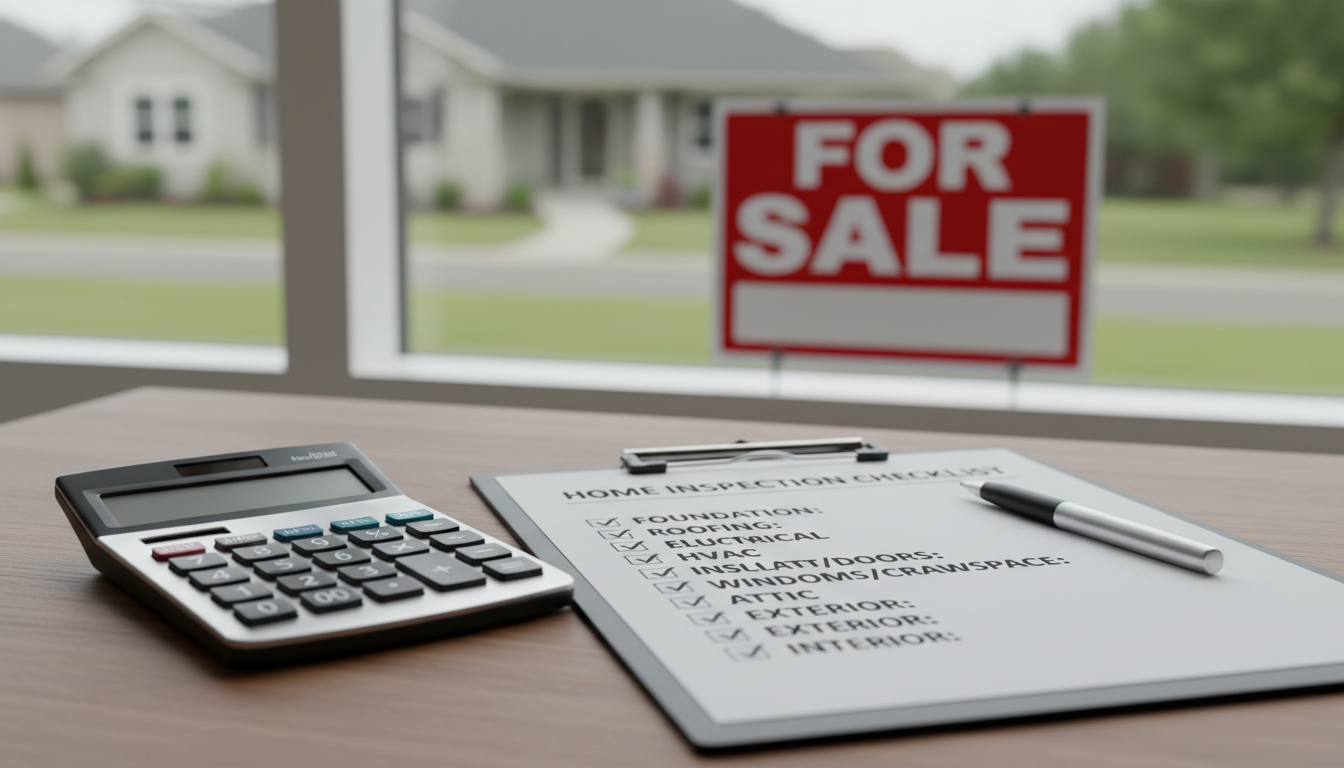
Navigating the financial transition of selling a rental property in New Jersey requires a clear distinction between federal obligations and state specific requirements. At the federal level, the IRS typically applies long term capital gains rates of 0%, 15%, or 20%, depending on your taxable income and filing status. However, New Jersey does not offer a preferential rate for long term gains. Instead, the state treats your investment profit as ordinary income, subjecting it to the same marginal tax brackets as your salary or business earnings. These rates currently range from 1.4% to 10.75%.
To accurately estimate your liability, you must first determine your adjusted basis. This is not simply the price you paid for the property; it is the original purchase price plus the cost of any capital improvements, such as a new roof in a Burlington County duplex or a kitchen renovation in a Mercer County rental. Calculating this correctly is vital because it directly reduces the taxable portion of your sale proceeds.
Consider the impact of a $300,000 profit example, a common query for investors in our region. While a landlord might mentally prepare for the 15% federal capital gains rate, the New Jersey portion adds a significant layer. If that $300,000 gain is treated as ordinary income, it could easily push a seller into a higher state bracket, resulting in a state tax bill of $15,000 to $25,000 depending on their other annual earnings. Understanding these numbers is essential when evaluating an offer or deciding to sell your rental property to a local landlord. By accurately tracking improvements and original costs, you can mitigate the total hit. If the tax burden and the physical state of the property make a traditional listing feel overwhelming, selling your house as is for cash provides a streamlined path to liquidity without the added stress of pre-sale renovations.
Depreciation Recapture: The Hidden Tax Most Landlords Forget
While capital gains taxes are widely discussed, depreciation recapture often catches South Jersey landlords off guard at the closing table. Over the duration of your ownership, the IRS allows you to write off the value of the building, excluding land, as a non-cash expense. This annual deduction helps offset your rental income during the management phase; however, it is effectively a tax deferral rather than a permanent gift. When selling a rental property in New Jersey, the IRS recaptures the total amount of depreciation you claimed, or were eligible to claim, throughout the life of the investment.
This recaptured amount is taxed at a federal rate of up to 25%. For a landlord who has owned a property for two decades, this figure can represent a significant portion of the equity they expected to pocket. Unlike standard capital gains, which may benefit from lower rates based on income, depreciation recapture is often more aggressive and hits your bottom line directly. To understand your potential liability, you should review your previous years' Schedule E tax filings. Look for the accumulated depreciation line item; this cumulative total serves as the basis for the IRS recapture calculation.
This hidden cost is a primary reason why net proceeds often fall short of a seller's initial expectations. If the prospect of calculating these liabilities and managing a traditional sale feels daunting, selling your house as is for cash can provide a clear, fixed exit price. By working with a professional investor, you can bypass the uncertainty of a retail transaction and move forward with a firm understanding of your final walk-away number.
The New Jersey Exit Tax (GIT-REP) Explained
The New Jersey Exit Tax is perhaps the most misunderstood aspect of selling a rental property in New Jersey. Contrary to its popular name, this is not an additional surcharge or a penalty for leaving the state. It is a mandatory tax withholding required by the New Jersey Division of Taxation to ensure that sellers, particularly non-residents, fulfill their state income tax obligations on the gain from the sale. For landlords who have relocated to other states but still own assets in Mercer or Burlington counties, this withholding occurs directly at the closing table.
Technically a prepayment of estimated tax, the state typically requires the higher of two amounts: 2 percent of the total sale price (consideration) or the actual tax due on the gain, calculated using the highest marginal tax rate. This is documented via the GIT-REP-3 form. While you may be entitled to a refund after filing your annual non-resident return, the immediate loss of liquidity can be a shock at closing. If you are concerned about how this withholding impacts your net proceeds, choosing to sell your house fast for cash can help you lock in a timeline and price that accounts for these requirements. Professional buyers are intimately familiar with these state filings, helping you navigate the paperwork without delaying the transaction.
Navigating the NJ Anti-Eviction Act When Selling
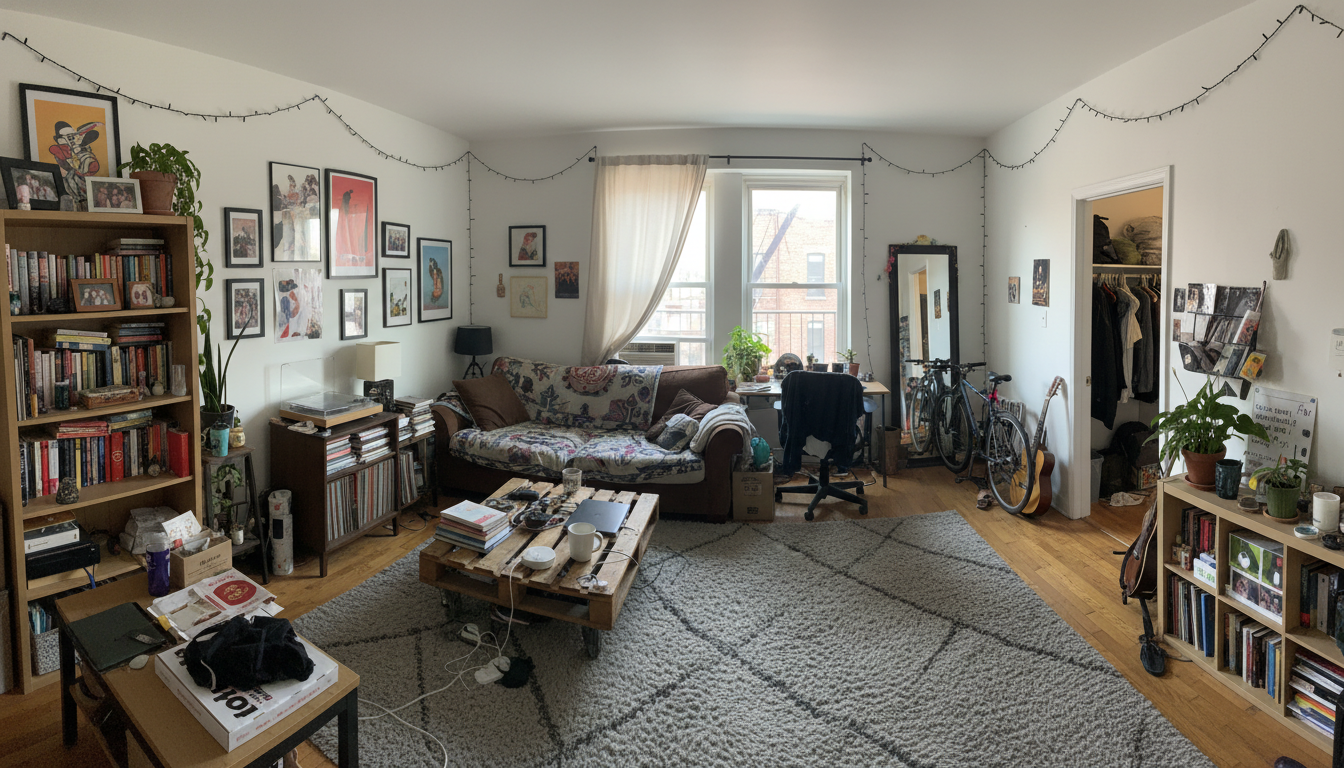
One of the most significant hurdles when selling a rental property in New Jersey is the New Jersey Anti-Eviction Act. Many landlords mistakenly believe that a decision to sell the asset constitutes good cause for eviction. In reality, New Jersey law provides tenants with robust protections that often grant them the right to remain in their units regardless of a change in ownership. A lease survives the sale; the new owner simply steps into the shoes of the previous landlord, inheriting the existing terms and the tenant.
This legal framework creates a massive friction point when listing on the Multiple Listing Service (MLS). Traditional retail buyers in counties like Camden or Gloucester are typically looking for a primary residence. Most mortgage lenders, especially for FHA or VA loans, require the buyer to occupy the home within sixty days of closing. If a tenant refuses to leave or has a long term lease in place, the deal often collapses before it even reaches the appraisal stage. Furthermore, managing showings for a tenant occupied home is frequently fraught with difficulty. Uncooperative tenants may leave the property in poor condition during walkthroughs or refuse entry entirely, leading to fewer offers and a lower final sale price.
This uncertainty is why many owners choose to sell your rental property to a local landlord who understands the local regulations and the specific needs of the South Jersey market. Firms like SJW Dev & Holdings LLC specialize in these complex scenarios by purchasing properties with tenants in place. We assume all existing lease agreements and the associated management responsibilities, allowing you to selling your house as is for cash without the legal headache of attempting to deliver a vacant building. By bypassing the retail market, you avoid the risk of a buyer’s financing falling through because a tenant cannot or will not vacate by the closing date.
Exit Strategies: 1031 Exchange vs. Cash Sale

The complexities of tenant law and the heavy tax burden often force a choice between staying in the real estate game or exiting the market entirely. If you intend to remain an investor while avoiding the immediate tax hits discussed earlier, a 1031 Exchange is the primary tool available. This IRS provision allows you to swap your current investment for a like-kind property, effectively deferring both capital gains and depreciation recapture. However, this strategy requires rigid adherence to federal timelines that can be stressful for an already exhausted owner. You must identify a replacement property within 45 days of your sale and complete the purchase within 180 days. In a tight South Jersey market, finding a suitable replacement under these time constraints can be difficult.
A cash as-is sale offers a stark contrast for the landlord who wants a complete break from property management. While a 1031 Exchange deferral keeps your capital in the market, it also keeps you responsible for maintenance, tenants, and local regulations. Selling your house as is for cash provides a simplified path to liquidity. By choosing to sell your rental property to a local landlord, you eliminate the need for a Qualified Intermediary and the pressure of IRS deadlines.
Feature | 1031 Exchange | Cash As-Is Sale |
|---|---|---|
Tax Treatment | Deferral of gains and recapture | Realized gains (NJ ordinary income) |
Timeline | Up to 180 days to close | As little as one week |
Future Burden | Continues property management | Complete exit and liquid cash |
Complexity | High (IRS audits, intermediaries) | Low (Direct sale, no repairs) |
When selling a rental property in New Jersey, speed is often the most valuable asset. A fast closing stops the drain of property taxes in Camden or Mercer counties and removes the liability of aging structures. For those who prioritize their time and peace of mind over further asset accumulation, a direct sale provides a clear, final resolution.
How to Sell a Rental Property Fast without Making Repairs
Many rental units in Collingswood and surrounding South Jersey suburbs suffer from years of deferred maintenance that makes a traditional listing impossible. If a property requires a new roof, foundation stabilization, or updated electrical systems to pass a municipal Certificate of Occupancy, the cost of repairs often exceeds the landlord's available cash. A professional acquisition firm eliminates this hurdle by purchasing properties in their current state.
When you choose to selling your house as is for cash, you bypass the inspection period where retail buyers typically demand thousands of dollars in credits. There is no need to paint, replace flooring, or even remove unwanted furniture or tenant debris. Investors handle the clean-out and all necessary renovations after the closing. This streamlined approach is the most efficient way of selling a rental property in New Jersey when the building’s condition is a liability. You can sell your house fast for cash without the stress of managing contractors or financing repairs out of pocket. To secure a clean break from a problematic asset, you should sell your rental property to a local landlord who values the property’s potential rather than its current defects.
Successfully selling a rental property in New Jersey requires balancing tax obligations with tenant laws to ensure a profitable exit. While navigating these requirements is manageable with the right information, the process can become overwhelming when you are ready to move on quickly. If you want expert help to streamline your transition, you may find it easier to sell rental assets to a professional team. We can help you navigate the complexities of the local market while providing a straightforward, stress-free experience.